
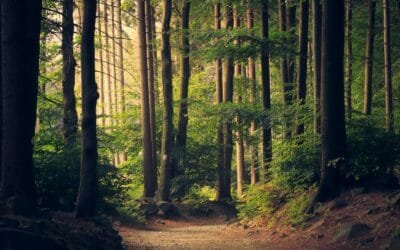
A private lane through the woods may look simple until several owners depend on it. Shared driveways and access easements can work perfectly well, but buyers should understand the legal right, physical condition, maintenance expectations, and future limitations before closing.

Confirm the legal right—not just the tire tracks
A road that has been used for years does not automatically answer who has the right to use it or under what terms. Review the deed, title work, recorded easements, and survey information with the appropriate professionals.
The easement language may define location, width, permitted uses, and who benefits from it.
Understand maintenance responsibility
Ask who plows snow, grades potholes, replaces culverts, trims brush, and pays when a major repair is needed. Informal arrangements can work until a large expense appears.
If several properties share the lane, find out whether there is a written road-maintenance agreement or only a handshake history.
Check width and turning room
A lane suitable for a pickup may not work for a concrete truck, septic contractor, moving van, modular-home delivery, fire apparatus, or equipment trailer.
Walk the narrowest points and look at gates, bridges, sharp turns, overhead branches, and steep grades.
Utilities may follow the same corridor
Electric, telephone, internet, water lines, or other utilities may need rights separate from general vehicle access. Do not assume a driveway easement automatically grants every utility right a future project could require.
Ask where existing utility lines run and what would be needed to extend service.
Think about future intensity
A lane that is fine for one cabin may become a conflict if someone plans a full-time residence, business use, subdivision, or frequent construction traffic.
Buyers should evaluate access for the future use they realistically want, not only today’s use.
Buyer checklist
- Deed and easement language reviewed
- Road-maintenance responsibility identified
- Snow removal discussed
- Width and grades checked
- Bridges/culverts inspected visually
- Utility rights researched
- Future construction access considered
For Pennsylvania wooded and rural-property searches, contact Ken Hoffmaster.
This article is general information, not legal, engineering, environmental, tax, or lending advice. Buyers should independently verify matters important to their intended use.
0 Comments