
Watching wildlife on a cold morning can be remarkable without getting close. Deer move through frost-covered fields, songbirds gather near sheltered habitat, and animal tracks tell stories even when nothing is moving. The best encounter is one that lets the animal keep behaving naturally. When temperatures drop, extra disturbance can demand energy an animal needs for feeding and staying warm.
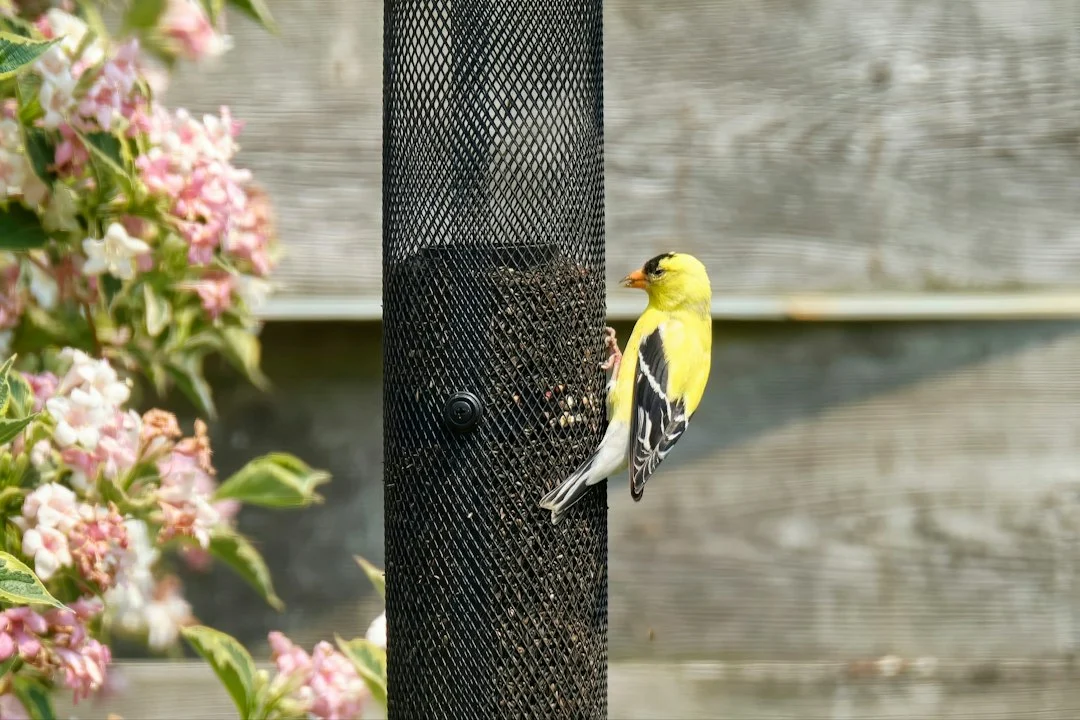
Start farther away than you think
Use binoculars or a camera zoom rather than approaching to get a better photo. The Pennsylvania Game Commission advises giving wildlife plenty of room and using a thumb-at-arm’s-length rule of thumb when observing. Distance requirements vary by location, and species behavior matters more than any universal number. If an animal freezes, keeps staring at you, moves away, or changes what it was doing, back off.
Choose a legal place to watch
Look for public wildlife areas, marked trail pullouts or your own property where observation is allowed. Avoid parking on the shoulder of a busy road or blocking private driveways. Some preserves close areas seasonally to protect sensitive habitat. Review the posted signs and land manager’s rules before setting up a camera, tripod or blind.
Watch birds without creating problems
Winter birdwatching can start outside a window or along a woodland edge. Keep feeders clean and follow local recommendations, since feeding practices differ by species and location. Do not throw food to mammals or attempt to lure a shy animal into view. Remove litter and fishing line, which can become dangerous for wildlife.
Let animals conserve their energy
In cold weather, animals may use sheltered areas or feeding routes repeatedly. Do not trail a deer or other mammal across a field to get a closer shot. Avoid dens, active nests and bedding areas. Keep dogs under control according to local leash rules. The most memorable image is not worth pushing an animal out of cover.
Make a simple viewing kit
- Binoculars, a camera or a phone with sufficient zoom
- Warm layers, wind protection, gloves and a weatherproof sitting pad
- A charged phone, headlamp and backup power when conditions warrant
- A small notebook for date, location, weather and species notes
- Water and a safe plan for daylight, road access and your return
Be visible where hunters may be present
In Pennsylvania, check the current hunting seasons, dates, species, and rules for the specific public land you intend to visit. Use appropriate bright clothing, and never assume woods are free of hunting activity just because you are not hunting. For up-to-date regulations, use the Pennsylvania Game Commission hunting calendar instead of an old social media chart.
Record what you actually observe
In your notebook, separate what you saw from what you inferred. Note light, weather, behavior, habitat and whether the animal noticed you. Share generalized locations rather than precise den or nest coordinates. A truthful caption and a respectful viewing distance make a stronger wildlife story than a dramatic unsupported claim.
When to leave
Leave immediately if your presence appears to disrupt the animal, if visibility or weather deteriorates, or if you are unsure about property access. Never approach, handle or feed wild mammals. If you encounter apparently sick or injured wildlife, contact the appropriate wildlife authority rather than trying to intervene.
Sources and wildlife viewing guidance
Read the Pennsylvania Game Commission wildlife-viewing guidance and the U.S. Fish & Wildlife Service wildlife-viewing tips. Exact restrictions vary by site and species.
Outdoor Wild Living promotes lawful, low-impact recreation. Illustrative photo is not documentation of a particular sighting.

0 Comments