
Most bear problems at campsites start with food, trash, coolers, pet food, toiletries, or cooking residue. The goal is not to make yourself invisible to wildlife; it is to avoid teaching an animal that people and campsites are reliable food sources.

Treat scented items like food
To a bear, toothpaste, trash, grease, pet food, and flavored drinks can be just as interesting as dinner. Keep scented items secured whenever they are not in active use.
Follow the exact storage rules for the campground or land-management agency because requirements vary by location.
Separate cooking from sleeping
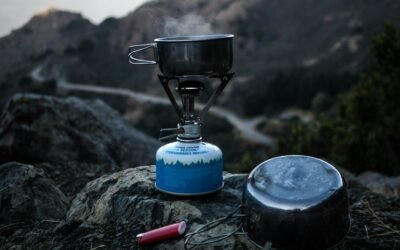
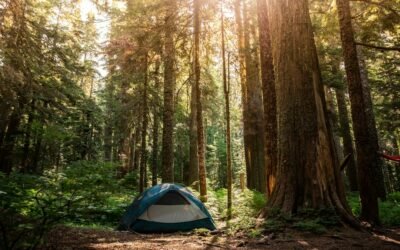
When space and regulations allow, keep cooking and food handling away from the sleeping area. Do not eat inside the tent if you can avoid it.
Change or clean heavily food-soiled clothing before climbing into a sleeping bag.
Coolers are not automatically bear resistant
A closed cooler can still smell strongly and many common coolers are easy for wildlife to open. Use approved storage lockers or bear-resistant containers where required.
Never leave a cooler unattended on a picnic table just because the lid is latched.
Trash discipline matters every night
Pack out or secure trash, foil, food wrappers, wipes, and scraps. Burned food and grease should not be dumped into a fire ring.
A clean camp is safer for people and better for wildlife.
Know what to do if wildlife appears
Do not approach for a photo and do not feed it. Give the animal space and follow local wildlife guidance for the species and situation.
If the campground has staff, report repeated food-seeking behavior so the problem can be addressed early.
Helpful Gear for This Topic
Affiliate disclosure: As an Amazon Associate I earn from qualifying purchases.
Quick checklist
- Food and scented items secured
- Cooking area kept away from sleeping area where practical
- Trash secured every night
- Cooler storage follows local rules
- Pet food secured
- Wildlife guidance checked before trip
Related: See the wilderness survival kit guide.
0 Comments