
Campfire safety is not a fixed checklist. The same fire ring can behave very differently after weeks of drought, during gusty winds, or after heavy rain when people start piling on wet wood and using too much starter. Conditions matter.

Rain does not automatically mean low fire risk
Surface vegetation may be wet while deeper fuels remain dry. Wind can also dry exposed material quickly after a storm.
Check current fire restrictions and local conditions instead of judging risk by how damp the picnic table feels.
Wind changes everything
Wind can carry sparks well beyond a ring and make flames behave unpredictably. If gusts are strong, the safest decision may be no fire at all.
Keep the fire small enough to control and never leave it unattended.
Wet wood creates different problems
Campers often respond to wet wood by using excessive accelerants or building oversized fires. That creates more risk, smoke, and wasted fuel.
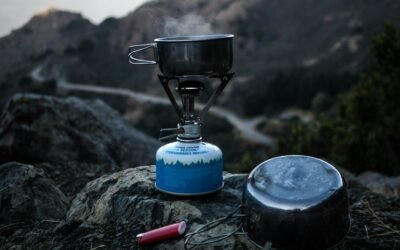
Use dry tinder and properly seasoned wood when allowed, and rely on a camp stove for dependable cooking.
Clear the area beyond the ring
Leaves, dry grass, needles, roots, and low branches can carry heat or flame. Existing rings are not a guarantee that the surrounding area is safe.
Keep water and a shovel nearby where appropriate.
Put it out completely
Drown, stir, and feel for residual heat only when safe to do so. Coals buried under ash can remain hot long after flames disappear.
Never assume rain later in the night will finish the job for you.
Helpful Gear for This Topic
Affiliate disclosure: As an Amazon Associate I earn from qualifying purchases.
Quick checklist
- Restrictions checked
- Wind considered
- Fire kept small
- No accelerants used
- Water available
- Fire fully extinguished before leaving
Related: Read How to Start a Fire With 2 Sticks for traditional fire-building context.

0 Comments