A campsite can look flat and inviting after the rain stops while still being a terrible place to sleep. Saturated soil changes drainage, exposes root problems, creates mud channels, and can make dead or damaged trees more concerning. Spend five minutes reading the site before pitching the tent.

Look uphill before you look down
Water comes from somewhere. Check the slope above the tent area for channels, exposed soil, culverts, rock faces, or compacted paths that may direct runoff toward you.
A flat pad at the bottom of a slope can become a shallow basin during another shower.
Read the mud and debris
Leaves, pine needles, sticks, and fine sediment often collect where water recently moved. Dark saturated patches can reveal low areas even when standing water is gone.
Avoid trenching around a tent. It damages the campsite and is usually unnecessary when the tent is placed on naturally draining ground.
Check trees and overhead hazards
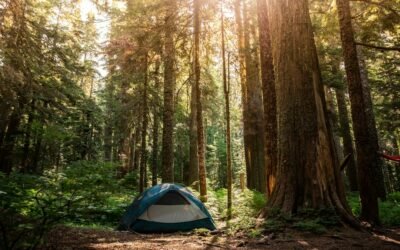
Wind and saturated soil can increase concern around weakened trees and branches. Look up for obviously dead limbs and inspect the immediate area for damaged or leaning trees.
If a site feels questionable, choose another established site rather than trying to make a bad location work.
Protect the tent floor correctly
Use a footprint sized to remain under the tent floor. If material extends beyond the floor, rain can collect on it and move underneath the tent.
Keep the tent entrance oriented so normal foot traffic does not churn the wettest ground into mud.
Think about the morning
A site can become colder and wetter overnight as air settles into low terrain. Consider where dew, fog, and runoff are likely to collect.
Pack footwear so you can get out of the tent without stepping directly into your only dry shoes.
Helpful Gear for This Topic
Affiliate disclosure: As an Amazon Associate I earn from qualifying purchases.
Quick checklist
- Slope above site inspected
- No obvious drainage channel under tent
- Overhead branches checked
- Footprint fully tucked under tent
- Entrance not opening into deepest mud
- Dry footwear plan for morning
Related: Pair this with our tent guide.
Outdoor conditions change quickly. Use current weather, campground, land-management, and local safety guidance for the exact place you plan to visit.
0 Comments