
A forest can look soaked while still containing usable fire material. The trick is understanding that the outside of dead wood may be wet while the interior remains much drier. Success comes from preparation and surface area, not pouring more flame onto a pile of wet logs.

Start smaller than you think
A wet-weather fire needs very dry tinder and thin kindling before larger fuel has any chance. Shavings, feather sticks, split pencil-sized pieces, and protected tinder are much easier to ignite than damp twigs.
Prepare more small fuel than you would in dry weather.
Split wood to reach the drier center
Dead wood may be wet on the bark and still relatively dry inside. Splitting exposes fresh surfaces and creates sharp edges that catch flame more easily.
Do not damage live trees or violate campground rules to gather fuel. Use legal, permitted sources only.
Airflow matters
Wet fires are often smothered by a dense pile of fuel. Leave enough space for air to move through the structure and add larger pieces gradually.
If every new stick produces steam and kills the flame, the fire is not ready for that size of fuel.
Protect the process from new rain
A tarp or shelter can create a dry work area, but keep fabric, branches, and gear well away from flame and sparks. Never build a fire where heat or embers can damage overhead material.
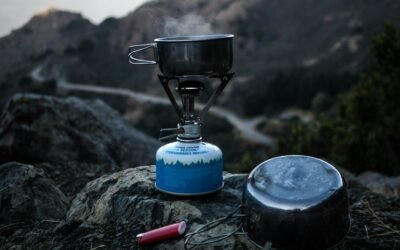
If conditions are too wet or unsafe, a camp stove is the reliable cooking tool.
Know when not to light one
Fire bans, high winds, dry fuels, unsuitable sites, and land-manager rules all override the desire for a campfire.
A fire is optional. Warm clothing, shelter, dry sleep gear, and a stove are more dependable parts of a safety plan.
Quick checklist
- Dry tinder protected in pack
- Kindling prepared before ignition
- Wet wood split to expose inner surfaces
- Air gaps maintained
- Fire rules checked
- Stove available as backup
Related: Read the fall camping checklist.
0 Comments