
Fall camping in Pennsylvania can be excellent, but it is not just summer camping with a hoodie. Warm afternoons can turn into cold nights, rain can soak a campsite for days, daylight disappears early, and fallen leaves can hide mud, roots, rocks, and drainage channels. A good fall setup plans for wet ground and temperature swings instead of packing only for the forecast high.

Pack for the overnight low, not the afternoon high
Check the hourly forecast and look at the overnight low, wind, rain probability, and recent weather. A 60-degree afternoon can still lead to a damp 35-degree morning.
Bring a sleep system appropriate for the expected low and give yourself a margin for wind, humidity, and personal comfort.
- Warm hat and dry sleep clothes
- Insulating layer that stays dry
- Rain shell
- Extra socks
- Sleeping pad with enough insulation for cool ground
Wet ground is the real fall problem
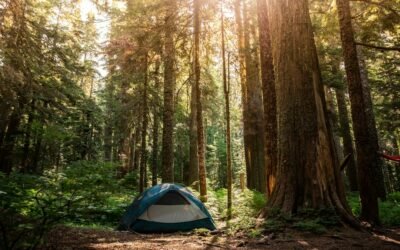
A tent that sheds rain can still be miserable if it is pitched in a depression. Walk the site before unloading. Look for compacted mud, water lines, drainage channels, and low spots.
Use a footprint that does not stick out beyond the tent floor. Exposed footprint material can collect rain and funnel it under the tent.

Bring a dry-storage plan
Keep sleeping gear, clothing, electronics, and fire-starting materials in separate waterproof bags or bins. Do not depend on one tent vestibule to keep everything dry.
A plastic tote in the vehicle is often more useful than an expensive organizer because wet boots, muddy tarps, and damp cookware can be isolated from dry gear.
Plan around short daylight
In October and November, camp chores that felt easy in summer suddenly happen in the dark. Set up shelter, gather legal firewood where allowed, prepare water, and organize dinner before sunset.
A headlamp should be easy to reach, not buried in a duffel. Carry spare power and keep one light source as a backup.
Food, fire and comfort
Cold, wet weather increases the value of simple hot food and drinks. Choose meals that do not require a long complicated cook if wind or rain moves in.
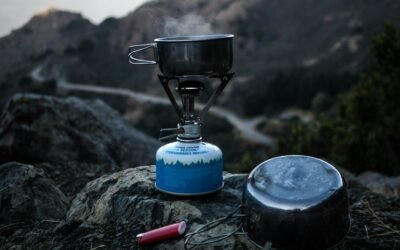
If fires are permitted, protect tinder and kindling from moisture and never assume the campsite will have dry wood waiting. A stove should be the reliable cooking plan; a campfire is a bonus.
Helpful Gear for This Topic
Affiliate disclosure: As an Amazon Associate I earn from qualifying purchases.
Quick checklist
- Forecast overnight low checked
- Dry sleep clothes packed separately
- Rain shell and spare socks
- Ground drainage inspected before pitching
- Headlamp and spare power accessible
- Dry fire-starting material or camp stove
- Wet/muddy gear tote for the ride home
Related: See our tent buying guide and wilderness survival kit guide.
Outdoor conditions change quickly. Use current weather, campground, land-management, and local safety guidance for the exact place you plan to visit.
0 Comments