
Rain does not usually ruin a camping trip by itself. The bigger problem is moisture spreading from one wet item into everything else. Wet boots touch a sleeping bag, a damp rainfly gets stuffed beside clothes, condensation soaks gear overnight, and the car becomes a humid box on the drive home. The solution is separation.

Pack in layers of protection
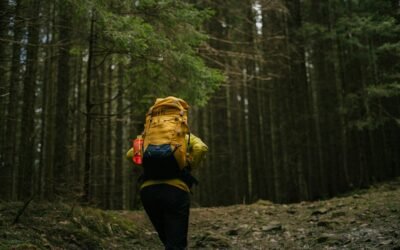
Use a waterproof pack liner, dry bags, or heavy-duty trash-compactor bag inside a backpack. For car camping, lidded totes are simple and effective.
The most important items to isolate are sleeping insulation, dry clothing, electronics, medication, maps, and fire-starting supplies.
Create a wet side and a dry side
Once rain starts, do not let wet gear migrate. Give muddy boots, rain jackets, wet towels, and damp tarps one dedicated area.
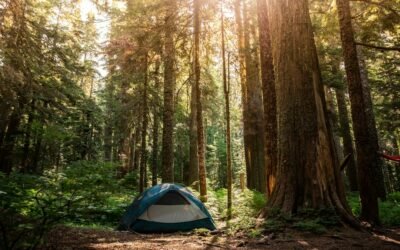
Inside the tent, keep sleeping equipment away from the walls. Moisture can transfer from the tent fabric to a sleeping bag even when the tent itself is not leaking.
Ventilation beats sealing everything tight
A closed tent traps moisture from breathing and damp clothing. Use vents and keep airflow moving when weather allows.
Do not bring dripping gear into the sleeping area just because it feels safer inside. A vestibule, tarp-covered area, or vehicle cargo zone can be better.
Use a tarp as a work zone, not just a roof
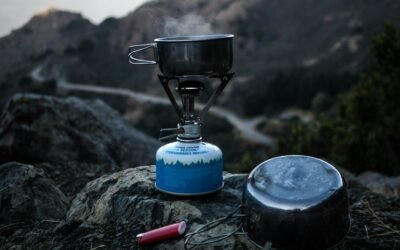
A tarp can create a place to cook with a stove when permitted, change footwear, sort gear, and enter the tent without dragging rain and mud inside.
Pitch it so water drains away from the living area and never create a low sag that holds gallons of water overhead.
Dry everything completely after the trip
A tent packed damp can develop mildew and odor. Sleeping bags, pads, tarps, footwear, and backpacks should be aired out as soon as practical.
Dry the tent body and rainfly separately if necessary. Open storage bins and let trapped moisture escape before putting equipment away.
Helpful Gear for This Topic
Affiliate disclosure: As an Amazon Associate I earn from qualifying purchases.
Quick checklist
- Sleeping bag in waterproof liner
- Dry clothes bagged separately
- Wet gear zone designated
- Tent vents open appropriately
- Tarp pitched to drain away from camp
- Everything unpacked and dried after trip
Related: Read How to Choose a Camping Tent.
Outdoor conditions change quickly. Use current weather, campground, land-management, and local safety guidance for the exact place you plan to visit.
0 Comments