
Ticks are one of the most common outdoor nuisances in Pennsylvania and can carry disease. Prevention works best as a system: clothing, repellent, route choices, campsite habits, and a thorough check afterward.

Start with clothing
Long pants, closed footwear, and light-colored clothing make ticks easier to spot. Tucking pants into socks is not fashionable, but it can reduce easy access to skin in high-tick areas.
Treat clothing only with products intended for that use and follow label directions.
Use an effective repellent correctly
Choose an EPA-registered repellent appropriate for the user and follow the product label. Reapplication timing varies by product.
Do not assume a natural scent or essential oil offers equivalent protection.
Know the high-contact zones
Brushy trail edges, tall grass, leaf litter, and vegetation contacting your legs are common exposure points.
Stay on established trails when practical and avoid sitting directly in leaf litter.
Check early and thoroughly
Do a tick check when returning to the vehicle and again after showering. Pay attention to hairline, behind ears, armpits, waist, groin, backs of knees, and between toes.
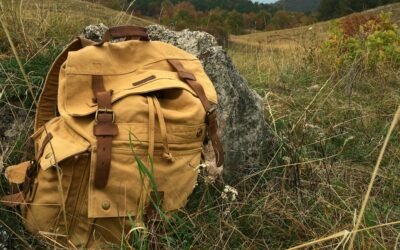
Check children, pets, backpacks, and clothing too.
After a bite
Remove attached ticks promptly with appropriate fine-tipped tweezers and follow current public-health guidance. Save a photo or note the date if symptoms later develop.
Seek medical guidance if concerning symptoms appear or if you have questions about exposure.
Helpful Gear for This Topic
Affiliate disclosure: As an Amazon Associate I earn from qualifying purchases.
Quick checklist
- Protective clothing
- Repellent packed
- Trail-edge exposure reduced
- Tick check at vehicle
- Full check at home
- Pets checked
- Bite date documented if needed
Related: For broader trip prep, see the Pennsylvania Fall Camping Checklist.

0 Comments