
Autumn paddling can be beautiful, but a warm afternoon does not mean the water is safe for an unexpected swim. Here is a practical cold-water kayaking and canoeing checklist.
Why cold water changes the picture
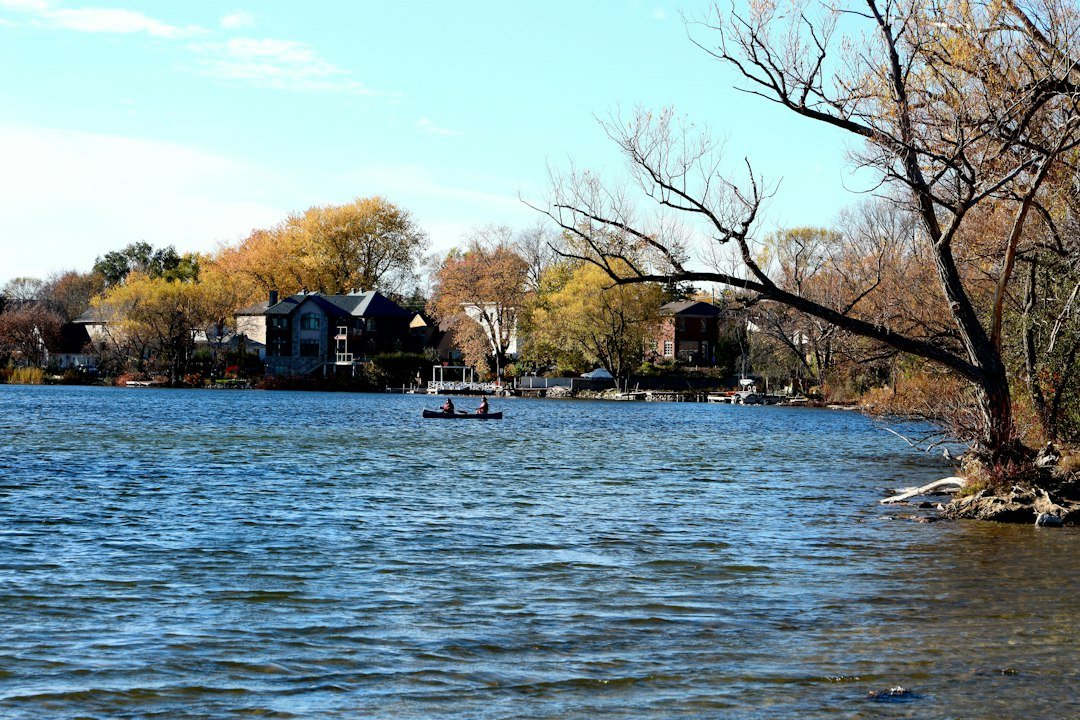
A sunny afternoon on a lake can hide a serious risk: the water may be far colder than the air. Paddlers sometimes dress for the temperature at the parking lot and forget that an unexpected capsize changes the whole activity. The National Weather Service warns that cold shock can affect breathing, heart rate and physical ability almost immediately after immersion. That is true even for strong swimmers and experienced boaters. The practical decision is not simply whether you feel warm while launching. It is whether you can stay afloat, respond and get help if you suddenly end up in the water.
Cold shock and hypothermia are different
When a person plunges into cold water, a sudden gasp or rapid breathing may occur before hypothermia develops. The National Weather Service notes that cold-shock reactions can be severe in water around 50 to 60 degrees Fahrenheit, and involuntary gasping can happen even in water that sounds relatively mild. Hypothermia becomes another danger as the body continues losing heat. A person who struggles to breathe or control movement may have very little time to self-rescue. Preparation focuses on avoiding immersion where possible and being equipped for those first critical moments if it happens.
Wear the life jacket, not just carry it
A suitable, properly fitted personal flotation device is one of the most important pieces of cold-water boating equipment. It needs to be worn throughout the trip, not tucked under the seat. Make sure buckles work, straps are adjusted and the vest is designed for the wearer and the activity. A loose vest is less effective and an uncomfortable one is more likely to be removed. Paddlers should also evaluate clothing intended for accidental immersion. Ordinary fleece or rainwear alone may not protect well enough in cold water; a wetsuit or dry suit may be appropriate, depending on actual conditions and expert guidance.
Think about the water temperature before leaving home
Check a reliable weather forecast for wind, gusts, thunderstorms, precipitation and changing visibility. Then look for measured water-temperature information when available. Water temperatures differ across reservoirs, rivers, lakes and seasons, so one nearby reading may not perfectly describe the route. Consider current, dam releases, waves and the difficulty of reaching shore. Wind can make the return paddle much harder than the outbound portion. If key conditions are unknown, reduce the distance, choose sheltered water with easy exits, join an organized group, or postpone the trip. A shorter paddle can still be an excellent day outdoors.
Do not paddle without a float plan
Tell someone you trust where you will launch, what route or section of water you expect to use and when you plan to return. Give the number of paddlers and a description of the watercraft. Agree on a specific response if you miss the check-in. This is particularly important on remote Pennsylvania lakes and rivers where cell service may be unreliable. Keep essential communications accessible and protected from water. Consider a suitable personal locator beacon or marine radio for more exposed trips. Carrying a phone in a sealed bag is useful, but a phone alone is not a complete rescue plan.
Review the launch and landing areas
Many paddling incidents begin before the boat is underway or as the trip ends. A wet dock, steep bank, slippery rock, muddy slope or submerged obstacle can send someone into the water unexpectedly. Identify a safe entry and an accessible return point. Ask whether you can land from either side of your planned route if weather changes. Avoid narrow passages or high-flow sections beyond the group’s capability. Keep the route suitable for the least experienced member rather than the most ambitious. If boat traffic, currents or shore conditions look worse than expected, make a new decision before committing.
What to do after sudden immersion
The immediate priorities are keeping the airway above water, controlling panic as much as possible, and reaching a safe exit or flotation. The National Weather Service recommends minimizing time in the water and getting out as soon as it is safe. Do not waste energy in a frantic attempt to reach a distant shore if nearby flotation or rescue is safer. If someone cannot exit, conserving energy and heat may be important while awaiting help. Once out, move to shelter, remove wet clothing when possible and warm up safely. Call emergency services for breathing problems, altered alertness or suspected hypothermia.
Get training before counting on self-rescue
Paddlers often watch a rescue video and assume they can perform the maneuver in rough or cold conditions. In reality, kayak design, waves, heavy clothing, fatigue and a partner’s skills all change the situation. Learn boat-handling and rescue techniques from qualified instructors and practice in controlled conditions where assistance is available. A partner is helpful only if the group has realistic expectations about communication and recovery. For unfamiliar cold water, consider a guide rather than a first solo trip. Training and conservative decisions are more valuable than a collection of equipment you have never practiced using.
Build a sensible autumn gear system
Prioritize a correctly fitted life jacket, immersion-appropriate clothing, secure communication, known exits and basic emergency supplies. Additional useful items may include lighting, dry spare layers, a whistle, drinking water and a spare paddle, depending on the outing. Pack crucial equipment so it stays accessible if the boat overturns. Check straps, hatches and batteries at home. Before taking a new gadget onto open water, understand its limits and whether it requires practice. Never assume that expensive equipment turns a dangerous forecast into a safe one or eliminates the need for a companion.
The ten-question go-or-no-go test
Before every late-season paddle, ask yourself: What is the water temperature? Am I dressed for accidental immersion? Is my life jacket worn and fitted correctly? What is the wind forecast? Can I reach shore quickly? Where are the alternate landing locations? Does someone know when to expect me back? Will my communications work? Does everyone in the group have appropriate skills? Is the trip still worthwhile if conditions deteriorate? An uncertain answer is a reason to simplify the route or wait. Cold-water safety is a set of habits, not a guarantee of rescue.
Primary source
Review National Weather Service Cold Water Hazards and Safety for cold-shock and immersion information. Related outdoor guides are available at Outdoor Wild Living. This is safety education, not a substitute for local training or current marine conditions.



0 Comments