
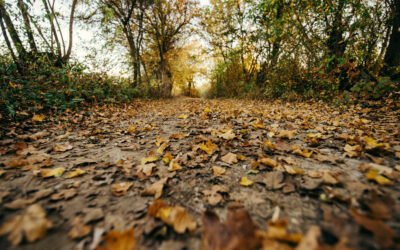
October 26, 2026 — Pennsylvania outdoor guide. A fall hike in Pennsylvania can look peaceful: leaves drifting across the trail, crisp mountain air, and views through woods that were dense and green just a few weeks earlier. But the 2026–27 hunting calendar includes many more Sundays, making it especially important for hikers, dog walkers, photographers and families to understand when they may share public forests with hunters.
This article isn’t an argument against hunting or hiking. Both are lawful, longstanding uses of many public lands. The goal is a practical plan for choosing trails, wearing visible clothing, controlling pets and checking official notices so people can enjoy the same landscape safely.
What changed with Pennsylvania Sunday hunting in 2026–27?
The Pennsylvania Game Commission’s April 2026 final seasons announcement says the Sundays falling within the dates of the state’s listed 2026–27 seasons are included, with migratory game birds excepted. The agency separately lists the exact open dates and bag limits in its 2026–27 Hunting & Trapping Digest.
The practical effect for non-hunters is straightforward: don’t assume that a Sunday afternoon trail is automatically outside hunting activity. The answer depends on which season is open, the land designation and any local restrictions. State parks can have different hunting areas and special limitations; check the individual park page.
Can hikers use state forests during hunting season?
In many places, yes. Pennsylvania’s Department of Conservation and Natural Resources notes that state forests support multiple recreation uses. The agency also confirms that Sunday hunting is permitted in state forests when it falls within open seasons. That does not mean every trail is a hunting area or that every park has identical rules.
Public lands can include state forest, state park, State Game Lands, county park, municipal open space or private land open by permission. Those categories are governed by different agencies and policies. A trail that passes through more than one type of land may cross different hunting rules within a single trip.
Wear high-visibility colors even when not required for hikers
Bright orange clothing is one of the simplest ways for a hiker to stand out against brown trunks, deep evergreen cover and autumn foliage. A fluorescent-orange hat and a vest or outer layer are easy choices; for dog walkers, consider a high-visibility vest or bright harness for the dog as well.
Hunters must meet their own season-specific fluorescent-orange requirements. The Game Commission and DCNR publish rules for hunters, but **those legal hunting requirements shouldn’t be confused with a general statewide legal requirement that all hikers wear orange**. For non-hunters, visible clothing is sensible risk reduction.
A bright color is especially helpful when someone is partly hidden by vegetation or moving along a shared road. It is not a guarantee of safety, and it does not replace awareness of posted rules or hunter responsibilities.
Choose your trail with the season in mind
1. Check land ownership and permitted activity
Before leaving home, look up the route through the responsible land manager. A state forest trail, national scenic trail, game land access road and township walking path may have different conditions. Official DCNR and Game Commission maps are preferable to social-media claims about an area being “closed to hunters.”
2. Consider the time of day
Many animals and hunters are active early and late in the day. A midday route on a clearly marked public trail may be more convenient for a casual walk, but that doesn’t make hunting impossible at other hours. Keep your group together and be aware of changing light.
3. Pick a route suitable for your group
A family with young children or a dog may prefer a shorter, developed trail in a designated non-hunting area, where one is available. For more demanding hikes, use official maps, check elevation gain and plan a return before sunset. Avoid crossing into private property in an attempt to bypass hunting activity.
4. Watch for posted signs
Land managers may post trail closures, controlled hunts, access restrictions or parking notices. Respect barriers and leave enough space for maintenance vehicles and emergency responders.
How to prepare your dog
Dogs need visibility and control. A bright vest can make a dog easier for other visitors to see. Keep the animal leashed wherever required, and ensure it has reliable recall where off-leash use is actually permitted. Don’t allow a pet to chase wildlife, approach hunters, run down unknown paths or enter private land.
Carry water, a lead and a small cleanup kit. A barking or wandering dog can startle wildlife, upset other visitors and become difficult to retrieve from thick autumn undergrowth. A leash also helps avoid accidents near narrow forest roads and parking areas.
What to do if you meet a hunter on the trail
Stay calm and visible. A normal greeting can help establish that another person is nearby. Avoid shouting, interfering with lawful activity or walking through an area where someone is actively handling equipment. If you are unsure whether the path ahead is safe, retrace your route or use a permitted alternate trail.
Everyone has a role in keeping public recreation areas safe. Hunters must properly identify targets and what lies beyond them; hikers can help by using high-visibility clothing, keeping to sensible routes and respecting land access rules.
What if you hear gunfire nearby?
Noise alone doesn’t tell you the exact direction or distance of an activity, especially in mountain terrain where sound echoes. Don’t walk toward gunfire to investigate. Stay on a known route, keep companions together and move away from the area if you believe your position may be unsafe. If you witness an immediate threat or a dangerous act, contact emergency services.
A Pennsylvania autumn-day packing checklist
- Bright or fluorescent orange hat and outer layer, plus a high-visibility dog accessory if appropriate;
- Downloaded map or paper trail map, charged phone and a simple backup navigation plan;
- Headlamp because daylight gets shorter quickly at this time of year;
- Water, snack, weather-appropriate layers and a small first-aid kit;
- Trail and weather notices checked with the proper land manager;
- An agreed turnaround time and a route shared with someone at home.
For broader trip preparation, see our existing Pennsylvania fall navigation guide. Schuylkill County readers can also find a local peak-foliage report at SkookPA NewZ.
Where to verify the rules, not rumors
Use the Game Commission’s seasons and bag limits for dates and legal restrictions. For state forests and parks, consult DCNR hunting and access guidance. Conditions and local orders can change; a headline from a prior year is not a reliable planning tool.
Readers interested in the Pennsylvania firearms policy and sporting community can explore AR15 Pennsylvania, while hikers looking for statewide trail guidance should continue to follow land-manager notices first.
The bottom line
Hiking season and hunting season overlap more often in 2026–27, including many Sundays. That is manageable when everyone respects the rules and plans ahead. Dress visibly, know who manages the land, keep pets under control, and use the official current calendar rather than assuming a familiar trail has identical conditions every weekend.
Primary sources: PGC final 2026–27 seasons; DCNR hunting in state forests and parks.
0 Comments