
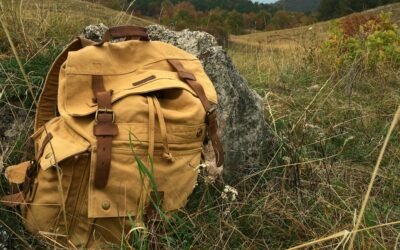
A bug-out bag is a portable emergency kit designed to help you leave quickly and get through the first stretch of an evacuation. Many people build around a 72-hour goal, but the right bag depends on where you live, who is traveling with you, your health needs, the season, and how far you may need to go.
What a bug-out bag should cover
Think in categories instead of buying random survival gadgets. A useful bag should help you handle water, food, shelter, first aid, communication, navigation, light, warmth, and basic repairs.
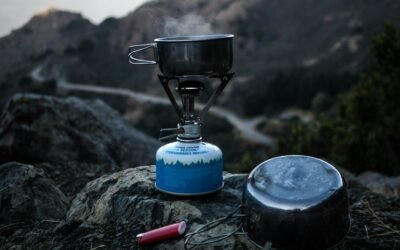
- Water: bottled water or a durable container, plus a filter or purification method.
- Food: shelf-stable food you will actually eat, with enough calories for the trip.
- First aid and medications: a compact kit, personal prescriptions, and any essential medical supplies.
- Shelter and warmth: rain protection, an emergency blanket, extra layers, and season-appropriate gear.
- Fire and light: at least two reliable fire-starting methods, a flashlight or headlamp, and spare batteries.
- Navigation and communication: local maps, a compass, a charged power bank, and an emergency radio if practical.
- Tools and repairs: a multitool, cordage, tape, work gloves, and a small repair kit.
- Documents and cash: copies of important information, identification details, emergency contacts, and some cash.
Keep the bag realistic
The biggest mistake is packing so much that the bag becomes difficult to carry. Build for the people who will actually use it, then test the loaded weight by walking with it. Rotate food, batteries, and medications on a schedule.
Plan the route, not just the bag
A bag is only part of the plan. Decide where you would go, how you would get there, where family members would meet, and what you would do if roads were blocked or cell service was unavailable.
Affiliate note: Outdoor Wild Living may earn a commission from qualifying purchases made through product links at no extra cost to you.

0 Comments