
Outdoor Wild Living guide | October 13, 2026. Build a campsite that protects the forest, streams, wildlife and the next visitor.
The campsite starts long before you pitch a tent
A pleasant autumn campsite looks simple in photographs: a tent beneath changing leaves, a small cooking area and a path to the trail. In practice, choosing that place responsibly requires more thought than finding a flat spot. The National Park Service explains the Leave No Trace principles as a way to reduce impacts on plants, wildlife, water and other visitors. For fall campers, those principles have immediate practical value. Shorter daylight hours make a delayed arrival more stressful. Wet ground can turn an appealing clearing into a muddy shelter site. Cooler evenings can also tempt people to build larger fires or move closer to wildlife feeding areas. A better plan begins by checking official land-management rules, weather conditions, campsite availability and whether the location can support your activities without damage. A designated site on an established durable surface is often the simplest choice. The goal is to enjoy the woods while leaving them genuinely ready for the next person.
Check the rules for the exact property
A national park, state forest, private campground and local preserve may have very different restrictions on camping, fires, pets and food storage. Start with the land manager’s official website or contact office. Confirm whether camping is allowed at all, whether reservations or permits are needed, and whether the specific site is open in the season you plan to visit. Look for recent advisories about trail closures, flooding, hunting seasons, wildlife activity or fire restrictions. Do not assume a spot is available because someone posted a picture of a tent there. An attractive location may be day-use only or temporarily closed to protect a habitat. Share an itinerary with a trusted person and note when you expect to return. Download or carry an offline map as a backup to cellular directions. When you have accurate site information before leaving, you are less likely to improvise a campsite in an unsuitable place after dark.
Use durable surfaces instead of making a new clearing
The National Park Service recommends traveling and camping on durable surfaces such as established trails and campsites, rock, gravel, sand and other appropriate surfaces. On a heavily visited trail, stay in the existing corridor even when it is muddy rather than walking around puddles and widening the path. When a legal campsite exists, choose an established tent area instead of scraping away plants or cutting a fresh patch in the undergrowth. Avoid trampling fragile moss, seedlings or vegetation near water. The Leave No Trace framework notes that good campsites are found rather than manufactured. Do not dig trenches around a tent, build improvised furniture or rearrange rocks and logs simply to create a more photogenic setup. If a campsite is clearly waterlogged or unsafe, choose another authorized area rather than altering the landscape. A low-impact campsite should look much the same after departure as it did on arrival.
Make water protection part of the site choice
Water is one of the strongest attractions of a campsite and one of the easiest resources to affect unintentionally. The National Park Service’s general guidance says to protect riparian areas by camping at least 200 feet from lakes and streams, subject to the specific local rules. This distance helps reduce damage to delicate shorelines and keeps regular camp activity away from water. Never assume a flat piece of ground beside a creek is safe during rain. Low-lying areas can flood or become saturated, and an upstream storm can change conditions after you have gone to bed. Carry washing water away from the shore, strain food particles and use only small amounts of appropriate soap as the land manager allows. Pack out trash and food scraps. Resist the urge to rinse dirty cookware directly in a stream because a product is described as biodegradable. Good intentions do not remove the impact of repeated washing or food waste in a natural waterway.
Choose a tent location with wind and trees in mind
Autumn winds can shift quickly and fallen branches may become a hazard. Look up before placing a tent. Avoid standing dead trees, hanging broken limbs or branches showing obvious damage. Choose ground where rainwater is unlikely to collect and where the tent can be secured without damaging plants. Do not create windbreaks by cutting branches or moving large natural materials. Use appropriate stakes, guy lines and the setup described by the shelter manufacturer. A good campsite also allows room for normal movement without a person stepping off the designated pad every time they enter the tent. Plan your route between tent, cooking area and toilets so you are not repeatedly crossing fragile vegetation. If you arrive late, use a safe headlamp and keep the process quiet and deliberate. A tent set up quickly in a dangerous location does not become safer simply because the group is tired.
Prepare for cold without relying on a big fire
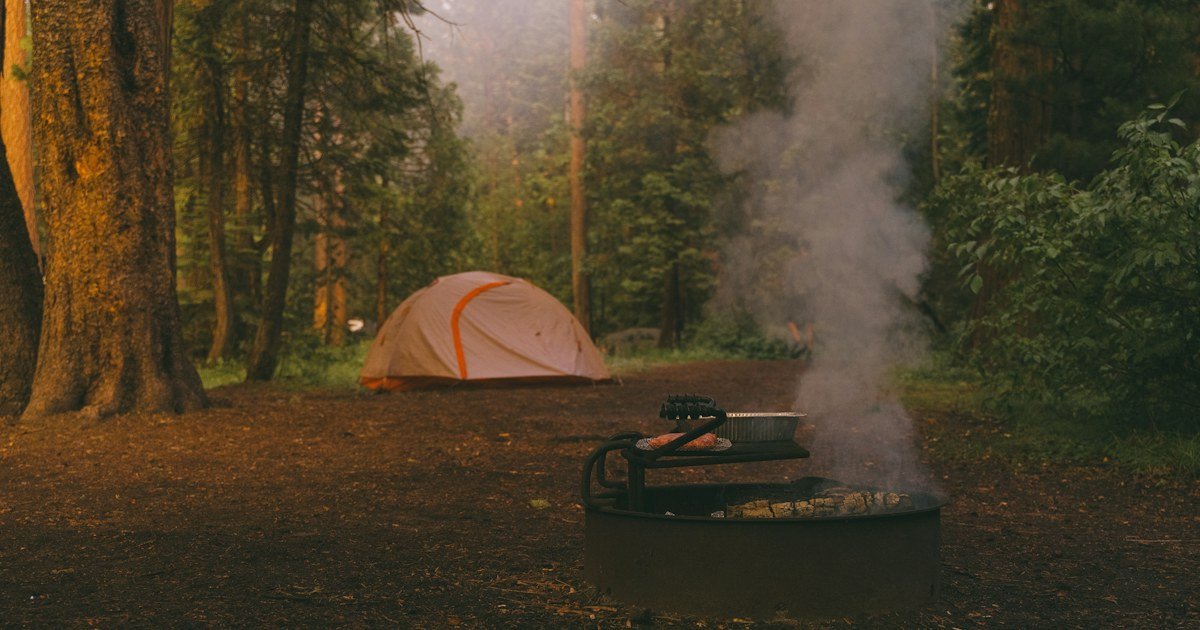
The most dependable fall warmth usually comes from appropriate clothing, dry insulation, shelter and a sleeping system matched to forecast conditions, not from keeping a bonfire burning through the night. Check nighttime lows, wind and precipitation probabilities before the trip, then pack dry layers and backup supplies. A lightweight stove is often a more practical way to cook than building an open fire. The National Park Service says campfires can have lasting impacts and recommends limiting them, using established fire rings where allowed, keeping them small and extinguishing them completely. Many locations impose additional restrictions during dry or high-risk periods. Never build a fire when prohibited or leave one unattended. Use a suitable container for fuel and follow the stove manufacturer’s ventilation and placement warnings. No stove, charcoal heater or other combustion appliance should be used inside a tent or enclosed sleeping space because of fire and carbon monoxide hazards.
Respect wildlife by managing food, not photographing an encounter
Animals are not props for a campsite story. The National Park Service advises watching from a distance, never feeding wildlife and storing food and trash securely. The correct storage method depends on local requirements and the animals present. Some areas require approved bear-resistant containers or specified storage systems, while developed campgrounds may provide secure lockers. Follow the rules for the exact place you are visiting and keep food, scented items and waste out of sleeping areas as directed. Do not leave scraps behind because they seem harmless or biodegradable. An animal drawn to repeated food rewards can develop dangerous behaviors around people. If wildlife appears, give it room and follow the land manager’s guidance instead of crowding closer with a phone camera. Keep pets controlled and respect leash rules. A good photograph never justifies altering an animal’s behavior, leaving food exposed or approaching a den or young animal.
Plan a cooking station that stays tidy
A small camp kitchen is easier to manage when there is a clear place for food preparation, cooking, washing and secured storage. Bring only what you need and package ingredients to reduce loose wrappers and waste. Keep raw and ready-to-eat foods separated, use safe food temperatures and follow public-health guidance for perishables. If local rules require cooking away from the tent, follow that requirement. Keep fuels and appliances away from flammable materials according to their instructions, with adequate ventilation and stable placement. Collect scraps promptly rather than brushing them into leaves. Bring a sealable trash bag and plan where full bags will be stored safely before disposal. Do not throw food waste into a fire as a shortcut. Before walking away from the kitchen, check whether a gust of wind could carry a wrapper or paper towel into vegetation. The best leave-no-trace kitchen is not complicated; it simply has a place for everything.
Handling human waste requires local knowledge
Established toilet facilities should be the first choice where available. In certain backcountry areas, the general Leave No Trace guidance describes depositing solid human waste in a cathole six to eight inches deep, at least 200 feet from water, camp and trails, with careful coverage afterward. But that is not permission to dig in every landscape. Some areas require packing out waste, and fragile terrain or protected sites may prohibit digging. Follow the land manager’s site-specific rules, which take precedence over generalized advice. Pack out toilet paper and hygiene products as directed. Carry hand-cleaning supplies and use them appropriately, especially before food preparation. Never dispose of wipes in a stream, bury packaging or leave toilet paper exposed beside a trail. If you are planning a trip without restrooms and do not understand the waste rules, resolve that question before leaving home. Good sanitation is part of protecting visitors as well as natural resources.
Travel thoughtfully on muddy fall trails
Wet leaves can hide roots, slick stones and uneven steps. Walk at a pace that suits the least confident member of your group and choose footwear with suitable traction. Stick to marked routes even where puddles make a section less convenient, unless an official closure or safety concern requires turning around. Cutting switchbacks and walking around muddy sections can widen a trail and increase erosion. Allow room when passing other hikers, lower voices near campsites and avoid shining bright lights into neighboring tents. Carry navigation tools and do not depend exclusively on a live cell signal. A paper map or downloaded map is useful when battery levels drop in cold weather. Turn back if daylight, weather or group conditions make the planned distance unrealistic. A shorter trip that ends safely has more value than a completed route that damages the trail or forces an avoidable rescue.
Leave natural souvenirs where they are
Fall forests offer beautiful acorns, feathers, mosses, rocks and branches. Enjoy them through observation and photography rather than collecting materials where land rules prohibit removal. The National Park Service’s Leave No Trace guidance encourages visitors to leave natural objects and historic or cultural artifacts undisturbed. That is important even when an object seems ordinary. An old foundation, carved stone or piece of pottery may be protected or culturally significant. Do not carve initials in trees, move old stones to build a fire ring or relocate branches to create a photo backdrop. Before leaving, check shoes, equipment and pets for seeds or plant material that could spread to other places. Brush off mud and debris at appropriate locations, and clean gear between trips when needed. The reward of a wild place is the experience of being there; taking physical souvenirs can gradually diminish the experience for everyone else.
A thoughtful campsite departure routine
The final ten minutes matter. Walk the site in widening circles and look carefully for bottle caps, twist ties, food crumbs, stakes, cord and small pieces of packaging. Check under the tent and around the cooking area. Remove all equipment and secure trash for transport to an approved disposal point. Make sure any lawful fire is completely extinguished and cold according to the site’s instructions. Do not scatter ashes where prohibited or leave a smoldering log for the next visitor. Restore nothing by tearing up surrounding vegetation; simply leave the ground and campsite as found. Inspect whether you inadvertently moved a rock or damaged a path, and consider how to avoid that next time. Keep a short gear list of items that were unnecessary or missing, since lighter, better-planned packing can reduce clutter on future trips. Take a final photograph for your own record, not as proof that a campsite is permanently perfect.
The trip is better when everyone knows the plan
A good low-impact camp is a group effort. Discuss food handling, fire rules, quiet hours, trash and restroom arrangements before unloading the car. If camping with children, give them simple, age-appropriate jobs such as checking for litter in the permitted campsite. If someone is new to camping, explain the reasoning behind the routine instead of assuming the rules are obvious. Consider other people who may arrive after your group, including hikers, anglers, families and wildlife observers. Respect posted boundaries and avoid taking over more space than your reservation or permit allows. Have a contingency plan for heavy rain, injury, a damaged tent or a trail closure. Knowing when to move to a safer authorized location or end the trip is part of competent outdoor recreation. The idea is not to turn a weekend into a rigid checklist. It is to build habits that make more room for the scenery, quiet and enjoyment you came to find.
Sources and further reading
National Park Service: Leave No Trace Seven Principles; NPS Blue Ridge Parkway Leave No Trace guidance; NPS: location-specific camping precautions. Check the actual land manager before traveling.
Featured photograph: Annie Spratt / Unsplash. Supporting campsite image: Unsplash contributor. No affiliate recommendations were required for this article.
0 Comments