Outdoor Wild Living | Responsible outdoors education | October 17, 2026. Verify conditions and land-manager rules for the trail or campground you actually use.
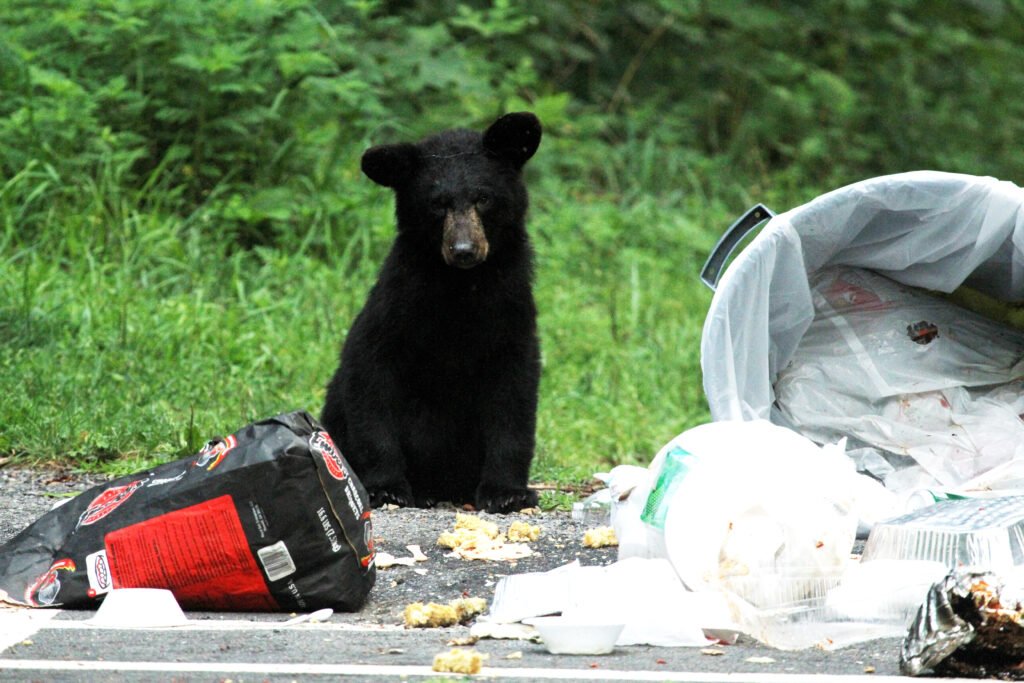
The goal is to prevent an encounter, not win one
A black bear approaching a picnic table can make a memorable story, but feeding or attracting a bear is not a responsible camping experience. The National Park Service explains that bears can learn to seek human food and garbage, become less wary of people and return repeatedly to developed areas. These patterns can create danger for visitors and bears. The practical solution starts before anyone sees a bear: set up a camp so food, trash, cookware and scented items are secured according to the local land manager’s rules. Never assume a quiet campground, locked cooler lid or absence of recent sightings means attractants can be left out. Preventing wildlife from getting a food reward is better for everyone than trying to scare an animal away after it has learned that campsites provide an easy meal.
What counts as an attractant? More than sandwiches
Campers usually remember coolers and snack bags, but wildlife may also investigate wrappers, beverage containers, cooking utensils, pet food, sunscreen, soap and toothpaste. The National Park Service warns that many scented items can attract bears and should be handled under the applicable food-storage rules. A sealed package may still be a problem if it is left unattended in a tent or backpack. Think of your camping setup as having two groups of belongings: things that belong in sleeping areas, and things that might smell interesting to animals. Clothing worn while cooking may pick up odors, and a child’s snack crumbs can turn up under a sleeping bag. The exact list can vary by park or campground; check posted rules rather than building a system entirely around what you personally think smells strong.
Read the site rules before choosing equipment
Different parks and forests have different food-storage regulations. Some provide fixed metal lockers, others require approved bear-resistant containers in particular backcountry areas, and some allow specific vehicle-storage arrangements. A method permitted in one place may be prohibited in another. The National Park Service’s general food-storage guidance expressly says requirements differ by park. Before departure, review the official campground or land-management website for the destination and ask whether your equipment is approved. A cooler advertised as ‘bear-proof’ for marketing purposes is not automatically an approved storage method. Buying a product without confirming requirements can waste money or leave you without a legal storage option when you arrive. If lockers are provided, use them as directed and verify they close securely.
Set up food storage as soon as you arrive
The best time to handle attractants is before unpacking every other item. Identify the approved food locker, container location or other storage arrangement first. Keep food and snacks under active supervision while eating, then return supplies to secure storage when finished. Do not leave a cooler beside a picnic table simply because someone is planning to cook again later. Store garbage and empty food packaging with the same seriousness as unused groceries. Close all approved containers completely, including latches and locking mechanisms. Make certain everyone in the group knows the plan, because one unguarded snack bag can undermine an otherwise careful camp. If the local rules specify where containers must be positioned, follow those instructions rather than an arbitrary distance found in a social-media post.
Never turn a sleeping tent into a pantry
A tent is designed for shelter, not as a bear-resistant food container. The National Park Service says not to store food in a tent or ordinary backpack in bear country. That rule includes late-night snacks, candy wrappers and toiletries unless site-specific instructions provide otherwise. Check clothing pockets and children’s daypacks before turning in. Have a designated location for toothbrushes, lip balm and other scented items. Remember that a tent has fabric walls and easy-to-open entrances; it does not provide reliable protection from a wildlife animal that wants food. Keep human and pet sleeping areas free of attractants and discuss the plan with everyone camping. An organized approach makes bedtime quicker and reduces hurried trips in the dark to correct a preventable storage mistake.
Cooking habits can attract wildlife too
Keep food preparation limited to appropriate areas and avoid creating a mess around the stove. Pack ingredients in containers that are easy to close. Clean utensils and surfaces after eating and store used cooking equipment as required by the campground. The National Park Service advises against burning leftover food, grounds or garbage in a campfire because ordinary fires often do not fully consume them; partially burned scraps can still attract animals. Use approved garbage receptacles that close properly or pack trash out in a secure container. Do not pour greasy dishwater or leave oily foil scattered near sleeping areas. Good kitchen habits are also basic courtesy to the next campers who should not inherit your food scraps or wildlife visitors.
Bears are not the only visitors
Raccoons, mice, birds, squirrels and other animals can all learn to associate popular camping sites with food. An unsecured trash bag may attract wildlife even in an area with no recent bear reports. Smaller animals can chew gear, contaminate supplies or scatter food across a campsite. Treat ‘leave no trace’ as more than picking up visible litter before checkout. Containing crumbs, waste and packaging during the entire trip reduces the chances of creating an ongoing feeding site. Do not intentionally offer wildlife a snack to get a better photograph. Animals that repeatedly obtain food from humans may change their behavior in ways that endanger them and other visitors. Responsible wildlife viewing means maintaining distance and letting animals continue natural behavior.
How to handle a bear that enters the campsite
First, do not approach the animal for a photograph or attempt to feed it. Keep people together and move away from the attractant while following the specific land manager’s bear-safety directions. Guidance for a black bear can differ from instructions for other bear species, and an aggressive or unusually persistent animal warrants immediate attention from trained staff or emergency responders. Do not assume a single Internet tip applies to every situation. Notify the campground host or ranger of an encounter, particularly if a bear shows interest in food storage or repeatedly approaches people. Follow their directions about securing gear, leaving the site or reporting the incident. The safest scenario remains preventing a bear from discovering food in camp in the first place.
For backpackers, the equipment choice is more important
A backpacker cannot rely on a vehicle or campground locker on every route. Check whether the specific backcountry permit area requires an approved bear-resistant food canister or offers fixed storage. Learn how to pack the container so all food, toiletries and waste fit. A bag hanging method may be allowed in some places but prohibited or impractical in others; confirm local requirements. Some backcountry areas have rules for camp location relative to cooking and food storage. Do not improvise a new technique at dusk when you discover that a large cooking pot will not fit inside a canister. Try packing and closing the storage system at home before leaving. The best system is one your whole party can use reliably every time.
The morning departure check
Before driving or hiking away, inspect under picnic tables, around the cooking area, inside fire rings and beside tent stakes for food scraps and wrappers. Make sure garbage is in a designated secure bin or packed out. Check whether your vehicle contains crumbs, open food or scented supplies before leaving it at a trailhead; follow that site’s rules as well. Repack used utensils and food containers so you do not scatter residue along the trail. If an animal found food during your stay, report what happened rather than hiding the event. Accurate reports can help wildlife managers understand patterns. Campers often remember the spectacular bear sightings, but the quieter success is leaving a site that is clean and unattractive to the next hungry visitor.
Sources and destination-specific limits
The National Park Service’s bear-safety food-storage guide describes attractants and explains why food-conditioned bears face danger. The NPS black bear safety guide reinforces wildlife-safe practices. Always check the destination’s official rules, because requirements and legal storage methods vary. This is a general camping guide, not a site-specific wildlife emergency plan.
A family campsite routine that everyone can follow
Assign a place for the food container or designated locker as soon as the group checks in. Explain that snacks, wrappers, toothpaste, pet treats and cooking supplies do not go inside sleeping tents. Before dinner, have one person responsible for collecting packaging, and have another check that cookware and the stove area are cleaned and stored afterward. Do a quick sweep before dark for pieces of food dropped under the picnic table or near chairs. This is not a wildlife-proof promise; it is a repeatable routine that helps prevent a series of small mistakes. Children can participate by checking their own pockets and backpacks with an adult. If the campground has strict food-storage rules, those rules govern even when the family has used a different method elsewhere.
During the day, never leave food unattended while going for a photograph or short walk. A few minutes may be enough time for an animal to investigate a picnic table. After eating, close storage containers correctly and verify that latches are fully engaged. Before bed, bring in or secure pet bowls and scented toiletries as required by the land manager. If a bear or another animal obtained food, tell the host or ranger what happened. That information helps staff address a safety problem and may prevent the next camper from encountering an animal expecting a snack.
The lesson to take home
Wildlife-safe camping is about changing the human behavior that creates a food opportunity. A clean campsite leaves animals less reason to associate people with easy calories, reduces mess and helps protect the natural experience for visitors who arrive afterward. Food storage equipment is only useful when people close and use it consistently. Before buying any specialized canister or locker accessory, read the actual campground rules and select equipment approved for that destination. If you cannot follow the required storage plan with your group, choose a more suitable campsite rather than assuming animals will keep their distance.
.jpg)

0 Comments