
Outdoor Wild Living | Responsible outdoors education | October 17, 2026. Verify conditions and land-manager rules for the trail or campground you actually use.
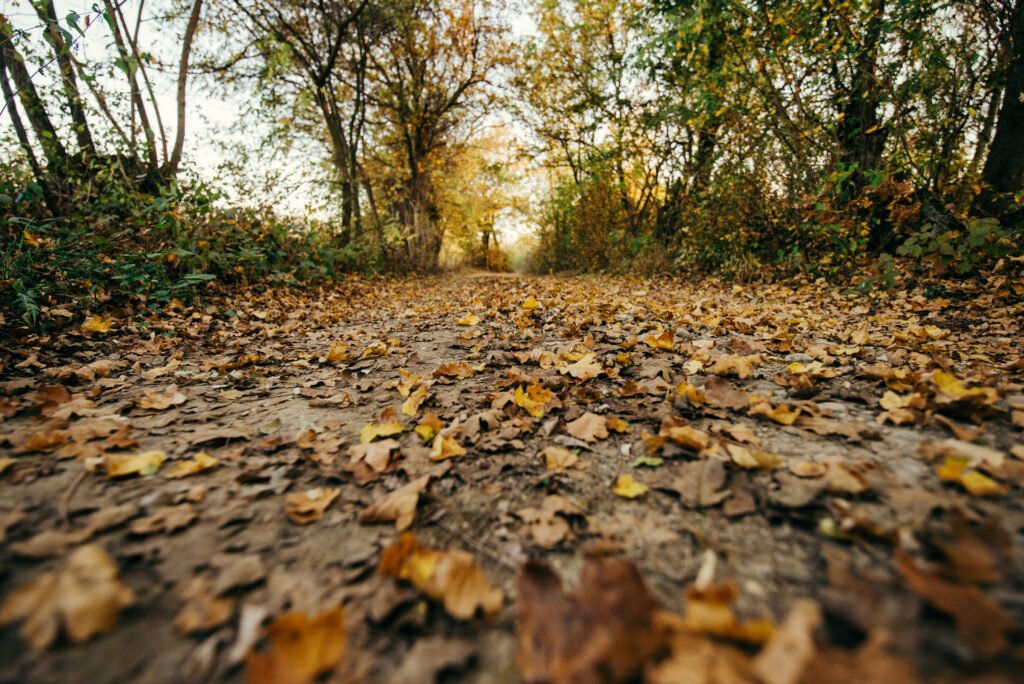
A wet trail is not just a dirty-shoe problem
After rain, familiar woodland paths can develop slick roots, saturated soil, puddles and soft edges. The temptation is to avoid every wet spot by walking around it. But repeated detours can gradually widen an established path, damage vegetation and create a second muddy route. The National Park Service’s Leave No Trace guidance advises people on established trails to stay in the middle, even when wet or muddy, rather than widening the disturbance. That principle requires judgment, because trail safety always matters. If an official closure is in effect, respect it; if a route is dangerously slippery, flooded or beyond your ability, turn around rather than attempt a risky bypass. Trail care and personal safety are complementary when you plan the trip thoughtfully.
Check conditions before choosing the destination
Look for land-manager alerts, local weather forecasts, official closures and route notices before departing. A heavy rainstorm can affect stream crossings, bridge approaches, slopes and road access in ways that an older online review does not reveal. Ask whether the trail crosses a flood-prone creek, whether low areas are known to stay wet and whether overnight temperatures may cause ice. Public trail systems differ in maintenance and access, so do not assume a favorite summer route is equally appropriate after October storms. Consider an alternate paved or gravel path if the terrain is saturated. Making a thoughtful route choice before leaving prevents the pressure to continue just because you drove a long way to the trailhead.
Why walking around puddles can make things worse
A narrow, durable trail keeps foot traffic concentrated. When every hiker steps around a puddle onto fragile edges, those edges can lose ground cover and become wider muddy sections themselves. Repeating the pattern over months can create erosion, expose roots and diminish habitat. The Leave No Trace approach for popular established trails is to stay on the existing walking surface where it is safe to do so, instead of carving new paths through plants. This is not an instruction to walk into water of unknown depth or to cross an unsafe current. If a section is not passable safely on the intended trail, choose a safer alternative or turn back. Turning around is a valid conservation and safety decision.
Footwear, socks and traction choices
Footwear cannot erase the risk of slippery ground, but well-fitting shoes or boots with suitable tread can improve comfort and control. Try them on with the socks you expect to wear. Check the soles for worn tread and make sure laces can hold the heel without cutting off circulation. Waterproof footwear may keep shallow water out but can trap water once it overtops the cuff; a dry spare pair of socks may be more valuable than a marketing claim. Trekking poles can provide additional stability on suitable terrain when used correctly, though they do not make steep wet rock safe. Avoid treating any gear as a guarantee. Choose trails that match your experience and adjust pace, stride and expectations for wet surfaces.
Roots, rocks and leaves hide different hazards
Wet leaves can conceal roots, holes and small stones. Exposed tree roots become slippery when wet, especially on shaded slopes, while smooth rock slabs can offer little friction. Keep your eyes on several steps ahead rather than staring only at the camera or phone. Take shorter steps on uncertain footing and avoid hurried movement around others. Give yourself space on narrow or exposed terrain. If an obstacle requires a leap or a scramble that does not feel manageable, stop and reassess. A person carrying a loaded pack or walking a dog may have different balance and mobility than someone wearing a light daypack. Be particularly careful near steep drop-offs where a minor slip could have severe consequences.
Stream crossings are a separate hazard
A route that seems ordinary in dry weather can become dangerous when water rises. Moving water is difficult to judge by appearance alone and may hide uneven footing or debris. Never assume a crossing is safe because somebody online described it as easy under different conditions. Search official trail notices for crossings and bridges before your trip. If the crossing is swollen, icy or uncertain, choose an alternate path or turn around rather than improvising a passage. Avoid creating a new eroded bank path to bypass a damaged crossing. Protecting streams from sediment and damaged vegetation also protects the quality of the outdoor experience for people who return later.
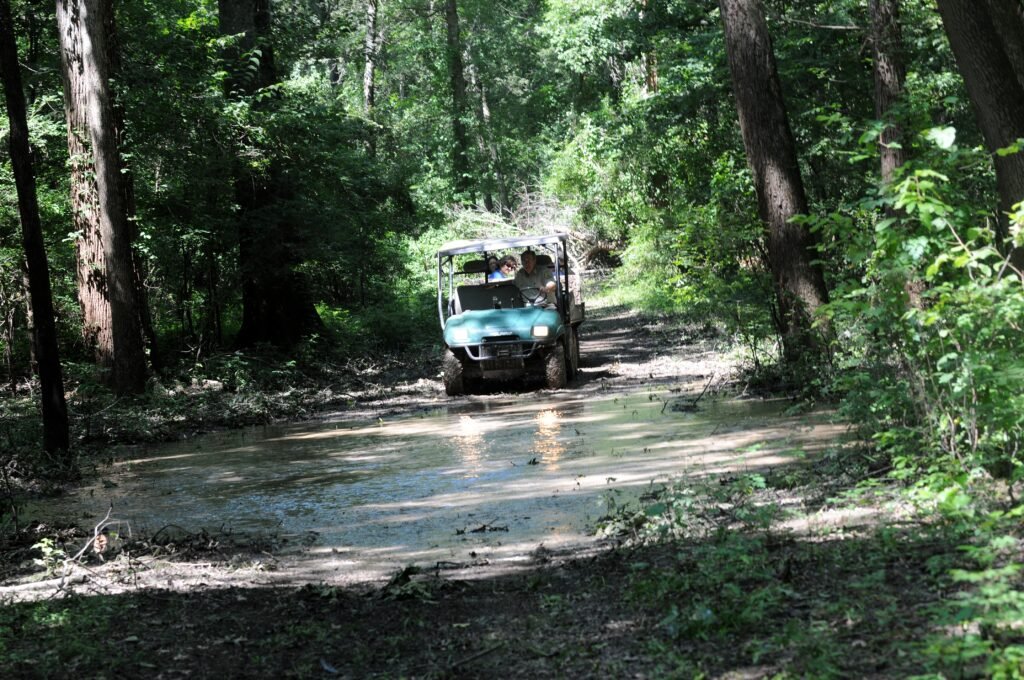
Know when not to hike at all
A canceled hike is sometimes the best choice when heavy rain, thunderstorms, high winds or other conditions make the intended route unsafe. Trail closures should be obeyed even if the gate is open or someone else has entered. High winds may create falling-limb hazards in forested areas, and freshly saturated slopes can be unstable. A solo hike with a late start and poor cell reception carries different consequences than a short walk on an accessible gravel loop. Set a turnaround time before leaving and share your basic route with a trusted person. Carry appropriate navigation, water, layers and emergency supplies, but do not assume equipment can compensate for dangerous trail conditions.
What bikers and dog walkers should think about
Shared-use trails require extra courtesy when wet because wheels, paws and foot traffic can affect soft ground differently. Follow posted trail-use rules and closures; some systems restrict bicycle use during saturated conditions. If the path cannot accommodate passing without damaging vegetation, wait at a durable widened area or yield at a designated place rather than stepping into fragile growth. Keep dogs controlled and be mindful of muddy water, wildlife and other users. If a trail is too narrow or eroded to pass safely, communicate calmly and let the party in the safer position proceed. Outdoor ethics do not require confrontation; they ask each visitor to take responsibility for avoidable damage.
Prevent muddy equipment from spreading problems
After the hike, clean mud and plant debris from footwear, trekking poles, bicycle tires and other equipment where appropriate. Different parks have rules intended to limit the spread of invasive species and pests. Do not rinse muddy gear directly into a stream. Pack wet shoes in a separate container for the drive home and dry equipment before storing it. Check whether spikes or traction aids are suitable for the surface; equipment made for ice may damage delicate boardwalks or other constructed paths. Keeping gear maintained improves its useful life and reduces the chance of carrying seeds and soil between destinations.
An ethical route decision checklist
Choose a trail matched to the weather and the group’s ability. Check closures and expected water conditions. Pack footwear with appropriate grip and a dry layer for after the trip. Stay on established durable surfaces when safe; do not cut new paths around puddles. Avoid unsafe stream crossings and steep slippery obstacles. Turn around if the route is beyond your ability or officially closed. Pack out all trash and leave natural objects in place. Report significant trail damage to the managing agency rather than attempting unapproved repairs. These decisions may seem minor on one afternoon, but across many visitors they make established routes more durable and enjoyable.
Primary sources
The National Park Service’s Seven Principles of Leave No Trace explains durable surfaces and established-trail etiquette. The Olympic National Park’s Leave No Trace page explicitly discusses muddy established trails. Actual closures and hazards must be checked against the relevant land manager’s current notices and local conditions. The photos are illustrative, not a report of damage at a named Pennsylvania location.
How to decide whether a wet hike is worth starting
Picture a familiar trail after a night of steady rain. The weather forecast shows no immediate storm, but the trailhead notice mentions saturated ground, and sections near a stream may be underwater. Start by checking whether the land manager has posted an official closure; if so, choose another destination. If the trail is open, think about the experience of everyone in the group. A short gravel loop may be suitable for beginners while a steep ridge with exposed roots and wet rock may be inappropriate. Estimate how daylight, cell reception, route length and alternate exits could affect a delayed return. Tell someone where you intend to go and establish a turnaround time. The mere absence of a closure does not mean every segment is safe for every hiker.
During the walk, distinguish between a manageable muddy section and a true hazard. On an established trail, stay in the middle where doing so is safe and within your ability. Do not cut a fresh bypass through plants just to protect clean footwear. If a puddle conceals unknown depth, a bridge is damaged, or fast water blocks the route, do not force the crossing. Turn around. Use care on slick roots and rock, and step deliberately rather than chasing a faster group. If someone has already fallen or is struggling to maintain balance, adjust the route immediately. A good hike is one the whole party can finish safely.
After returning, help the next visitors
Report a washout, damaged bridge, fallen tree or substantial erosion to the managing agency using its official channel. Give the trail name, approximate location, date and a clear description; photographs may help when safely obtained. Do not build unauthorized shortcuts, move barriers or make structural repairs without permission. Clean your shoes and gear responsibly to reduce movement of invasive seeds and debris between sites. A photograph of muddy boots and a note that the group turned around can be a more useful trail report than a social-media claim that the entire park is unsafe. Specific observations help other people choose appropriate routes without overstating what one visitor experienced on one day.



.jpg)
0 Comments