
October 20, 2026 | Outdoor Wild Living
Thinking about Starlink for camping, RVs or off-grid travel? Compare the 2026 Roam plans, power needs, setup, reliability and alternatives.
Why campers are searching for Starlink
SpaceX and Starlink are trending again, and many travelers are wondering whether satellite internet is worth carrying into the woods. Unlike a conventional home broadband connection, a portable Starlink setup can provide online access in places where cellular reception is weak, provided there is an eligible service plan, power and a sufficiently clear view of the sky.
For campers, RV owners, hunters, van travelers and remote workers, that can be compelling. But satellite internet is neither free nor effortless, and it is not a replacement for sound backcountry planning or emergency communications.
What Starlink Roam offers in 2026
Starlink’s U.S. Roam page currently advertises several service tiers, including 100 GB, 300 GB and Unlimited high-speed data options, with starting advertised monthly prices of $55, $80 and $175 respectively. The company says the tiered plans continue at reduced speeds after the high-speed allotment is used. Actual prices, taxes, hardware charges, regional availability and terms can change.
Always check the live Starlink Roam page before buying. A screenshot from last year may show a different plan, data allowance or price than a new subscriber can obtain today.
When does satellite internet beat cellular?
A good cellular hotspot is usually smaller and easier to power. If your campsite has strong 4G or 5G coverage, it may already meet your needs for messages, map downloads and light work. Satellite service becomes more interesting when campsites lack usable cellular signal and you still need data for work or family communication.
Neither method guarantees service at every site. Dense forest canopy, canyon walls and an obstructed horizon can interfere with the satellite’s view. An inexpensive cellular plan can also be better value for short, occasional trips. Evaluate where you actually travel rather than what works for someone else’s RV.
Getting the antenna into a clear location
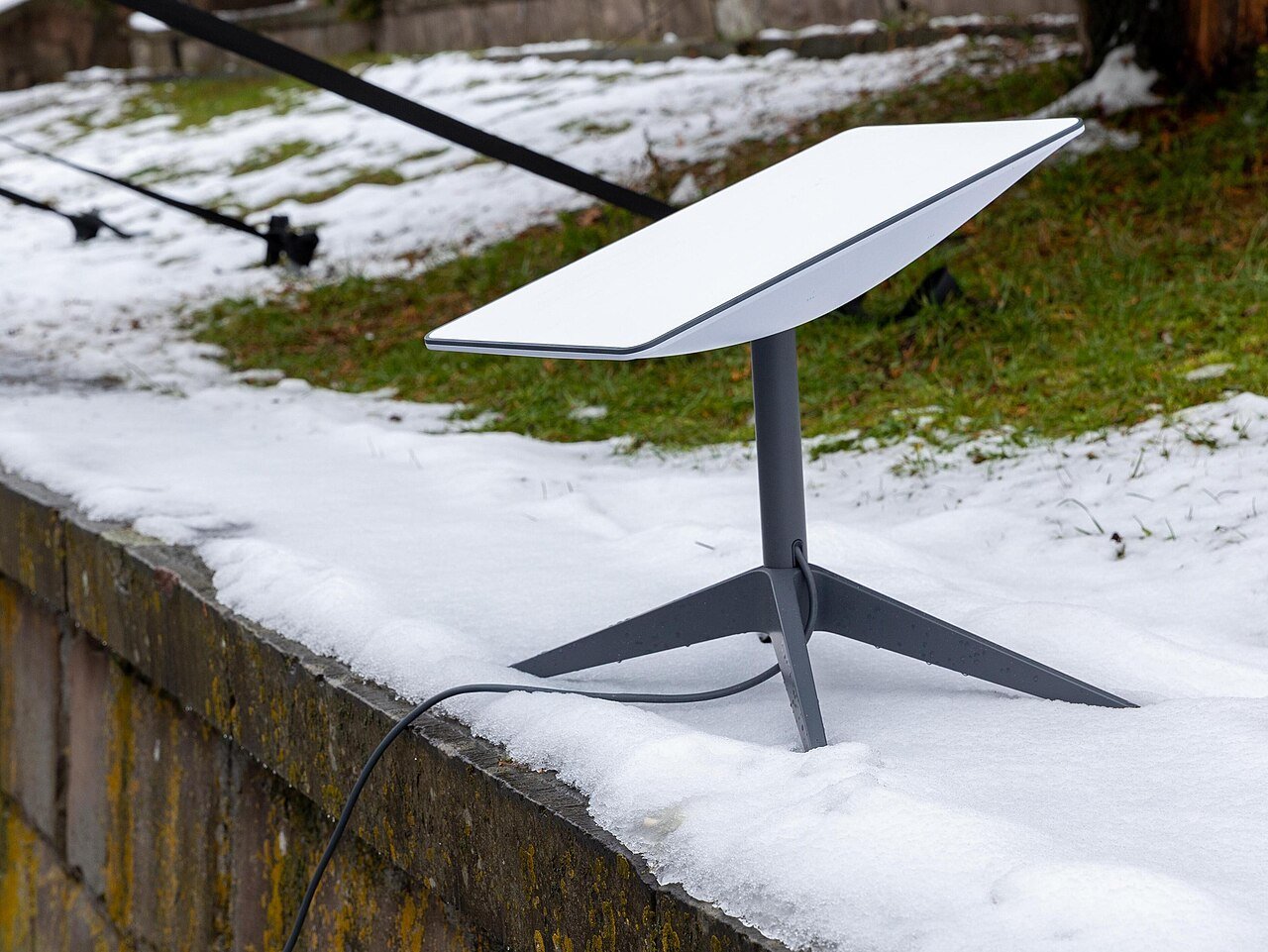
Starlink says its equipment needs an unobstructed view of the sky. A picnic table in an open campsite may work far better than a heavily wooded spot beneath branches. Use the company’s application to evaluate the intended location before mounting anything permanently.
Keep the installation stable and protect cords from foot traffic, crushing and rain exposure. Follow the manufacturer’s setup instructions, approved power specifications and any campground restrictions. Avoid climbing onto a roof or placing equipment near overhead electrical lines just to improve the view.
Power is often the deciding factor
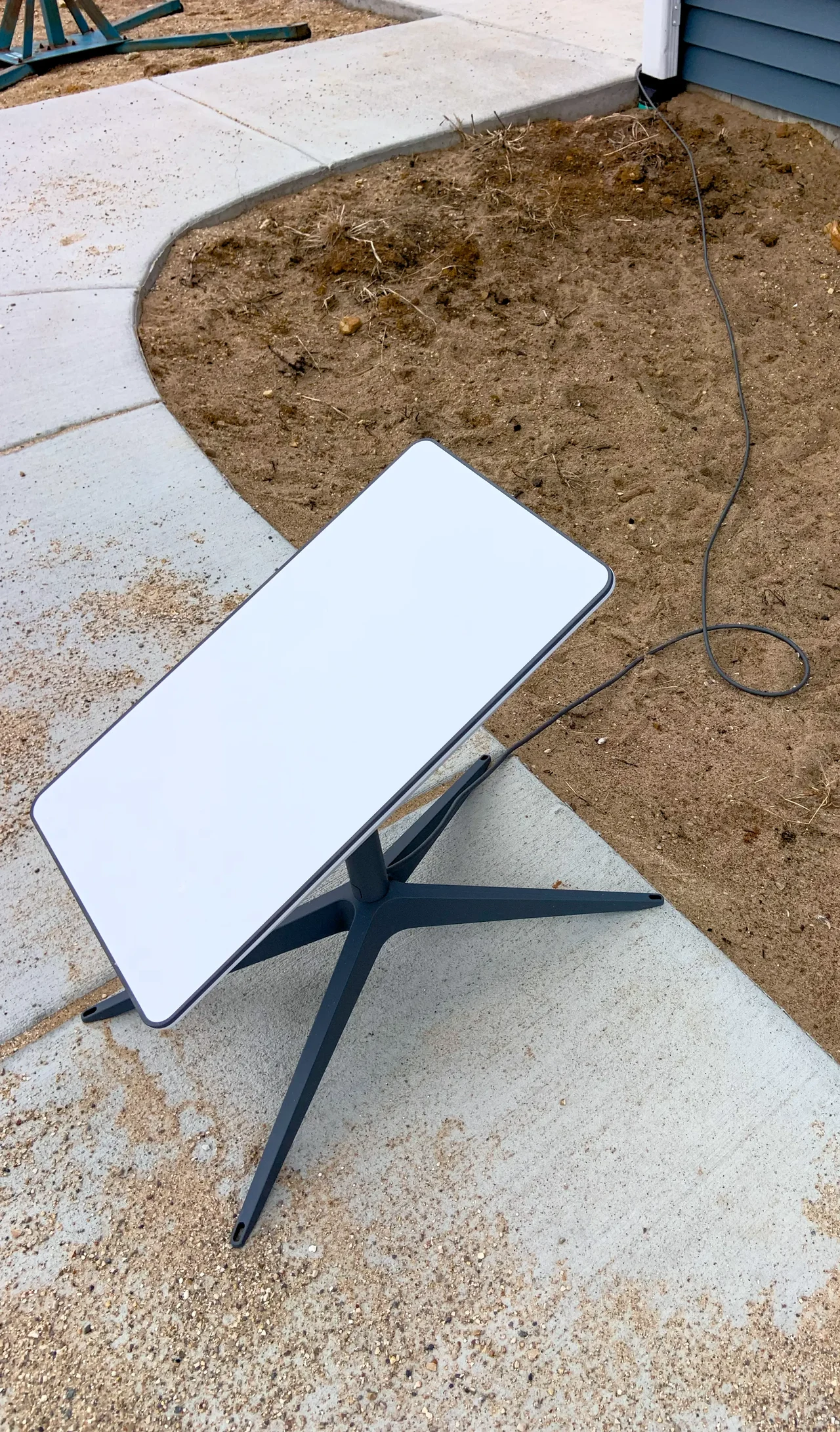
Satellite terminals draw power continuously while operating, so off-grid users must think about total daily energy use rather than just whether the system switches on. The smaller Starlink Mini is marketed for portability and lower power consumption, but a weekend setup may still need a reliable battery, solar input or shore power.
Check the specific hardware model’s stated electrical requirements. Calculate expected hours of use and leave headroom for power-conversion losses, lights, phones and other essential devices. A battery advertised as suitable for one appliance may run the network for fewer hours than expected.
Data usage and practical limits
Maps and messaging can consume relatively little data, while high-definition streaming, large uploads, video meetings and automatic software updates can rapidly use a monthly allowance. When planning a trip, download trail maps and entertainment ahead of time, restrict cloud backups and watch the plan’s high-speed data balance.
For longer stays, an unlimited tier may make more sense, but it comes at a higher subscription cost. There is no universal best plan. Usage pattern, travel frequency, coverage and willingness to pause service matter more than a single headline price.
Can you use it while driving or abroad?
Starlink’s offerings include in-motion capability on eligible plans and hardware, but never assume every plan or mounting arrangement is permitted or safe. The provider also updated its international travel policy in 2026, with different rules for Unlimited and other Roam plans. The official help center is the right source for country-specific requirements.
Drivers should not handle an app or reposition a terminal while moving. If a vehicle installation is planned, use the manufacturer’s mounting guidance and verify your route and service eligibility before departure.
Why current Starlink headlines do not answer camping questions
Separate news coverage about restrictions affecting Starlink use in Ukraine has driven searches for the brand, but military service arrangements and a U.S. consumer Roam subscription are not identical. A geopolitical dispute is not a reliable prediction of performance at a campground in Pennsylvania.
Consumers should instead compare published terms, local conditions, real-world power needs and cancellation or standby policies. Technology headlines can introduce a product to new readers, but purchase decisions deserve their own research.
How to estimate a battery for a weekend
Start with the terminal’s power draw in watts and multiply by the hours you expect to operate it each day. For example, a device averaging 40 watts over five hours would use roughly 200 watt-hours before accounting for conversion losses. A battery’s advertised capacity may not all be usable, especially when an inverter is involved or temperatures are extreme. Include power for phones, lighting, refrigeration or other essentials, then keep a margin rather than planning to drain the battery completely. The final calculation should use the specifications of the particular Starlink terminal and your actual power equipment.
What a clear view of the sky really means
A compact campsite surrounded by trees may offer a beautiful setting but poor satellite visibility. Nearby branches, cliffs and buildings can block the paths the service uses, resulting in interrupted connections. Before booking a remote work trip, review the site layout and ask campground staff whether an open area is available. Try the provider’s obstruction-checking feature from the proposed installation spot. Never assume a roof mount solves every obstruction: taller mounts introduce wind and fall hazards, and changes to the setup should follow approved hardware guidance.
Managing internet use when the whole family travels
Household devices can consume data in the background through automatic photo uploads, app updates, cloud backups and streaming. Before leaving home, download shows and navigation resources, turn off unnecessary updates and agree on when the network should be used. Many families can reduce their satellite data needs by reserving connectivity for check-ins and essential tasks. If a work meeting is critical, test the connection first and have a backup plan such as a nearby library or cafe with permitted internet access. The point of camping does not have to be constant connectivity, even when technology makes it possible.
Cost comparison beyond the subscription
The monthly service price is only one part of the purchase. Consider the terminal price, mount, cable protection, battery or electrical upgrades, taxes and any additional hardware needed for your vehicle. If you camp only two weekends each summer, spreading those costs across a small number of trips can make the effective nightly price surprisingly high. Frequent travelers who work online may evaluate the same expenses differently. Compare alternatives such as cellular hotspots, campground Wi-Fi and scheduled visits to towns. None is perfect; a sensible choice matches the service to the travel pattern instead of a marketing slogan.
Connectivity is not an emergency rescue plan
Satellite internet can help travelers stay in touch, but it should not be treated as the only safety measure. Devices can run out of battery, get damaged or fail to connect in obstructed terrain. Share your route and expected return with someone responsible, carry physical or offline navigation resources, monitor weather forecasts before heading out and understand the emergency communication options appropriate to the area. In remote settings, purpose-built satellite messengers or other established safety systems may fill a different role from general internet access. Prepare for a day when the network simply is not available.
What we recommend before purchasing
Start with a coverage map for your actual campsite, test existing cellular reception, estimate the data you need and work out your battery budget. Ask whether the extra subscription would replace a current service or become another recurring bill.
As with all gear, test the system near home before depending on it for a long trip. Carry offline maps, weather information and an emergency plan even when internet access looks promising. See the official Roam plans and travel policy guidance for current terms.


0 Comments