
October 20, 2026 | Outdoor Wild Living
A great white shark was filmed leaping off California’s Marina State Beach. Learn what happened and how to reduce shark encounter risks.
A surprise sighting on California’s coast
A great white shark breached the ocean’s surface near Marina State Beach, California, during a weekend outing, according to videos and reporting that spread widely on October 20, 2026. Beachgoers taking photographs caught a shark launching several feet out of the water in the background, turning an ordinary coastal moment into a viral wildlife clip.
The striking footage helps explain why searches for ‘great white shark Marina State Beach’ have surged. Videos can make the incident appear terrifying, but the reported sighting is also an opportunity to look at shark behavior, beach safety and why wild animals deserve distance and respect.
What does it mean when a shark breaches?
Breaching refers to a shark propelling some or all of its body clear of the water. Great white sharks are famous for powerful movements near the surface, sometimes linked to hunting activity, although a video alone cannot prove why a particular shark jumped. Researchers study behavior in context: location, likely prey, water conditions and observations before and after the breach.
Online clips rarely provide all of that evidence. It is tempting to attach a dramatic motive to a dramatic leap, but a single recording cannot establish that the shark targeted nearby people or intended an attack.
Where is Marina State Beach?
Marina State Beach lies on California’s central coast near Monterey Bay, an area with a rich marine ecosystem. Coastal waters support fish, marine mammals and many types of sharks. Wildlife appears there because the ocean is an active habitat, not because a beach has necessarily become unsafe overnight.
Local guidance, posted closures and lifeguard announcements matter more to swimmers than a headline alone. Conditions can change, and sightings should be considered alongside immediate information from the park or responsible local agency.
How common are shark attacks?
Shark encounters and attacks remain uncommon compared with the huge number of people who visit oceans and beaches. NOAA describes the overall risk of an attack as very small while still recommending common-sense precautions. A rare event should not produce panic, but ignoring sensible behavior around large marine predators is equally unwise.
The distinction between seeing a shark and being bitten by one is especially important. The October 2026 report documents a visible breach. It does not, by itself, establish that a swimmer was chased, bitten or injured.
NOAA’s basic beach safety guidance
The National Oceanic and Atmospheric Administration recommends several ways to reduce risk in places where sharks may be present. Stay in a group, avoid swimming far from shore, and consider staying out of the water at night or during twilight. Do not enter the ocean with an open bleeding wound; also avoid shiny jewelry that can draw attention.
NOAA advises being mindful of places where prey congregates, such as steep drop-offs and some sandbar areas. Follow any local warning signs and exit calmly if a lifeguard issues instructions. The goal is risk reduction, not a guarantee that wildlife can be fully controlled.
What to do if you see a shark
If you notice a large shark nearby while swimming, prioritize a calm, controlled return to shore or a boat if safe. Avoid frantic splashing and do not attempt to approach, touch or photograph the animal from the water. Alert a lifeguard or other responsible authority so warnings can reach people who may not have seen it.
From shore, use a zoom lens rather than trying to move closer. Never bait sharks for dramatic footage at a public beach. Watch wildlife ethically and recognize that crowd behavior can create additional hazards even when the animal is far away.
Breach videos and misleading social posts
A spectacular video may be replayed with different dates or locations as it spreads online. Before sharing a shark video, check whether the original photographer, beach, date and context are identified. Cropped clips may omit shoreline distances or make the animal appear closer than it was.
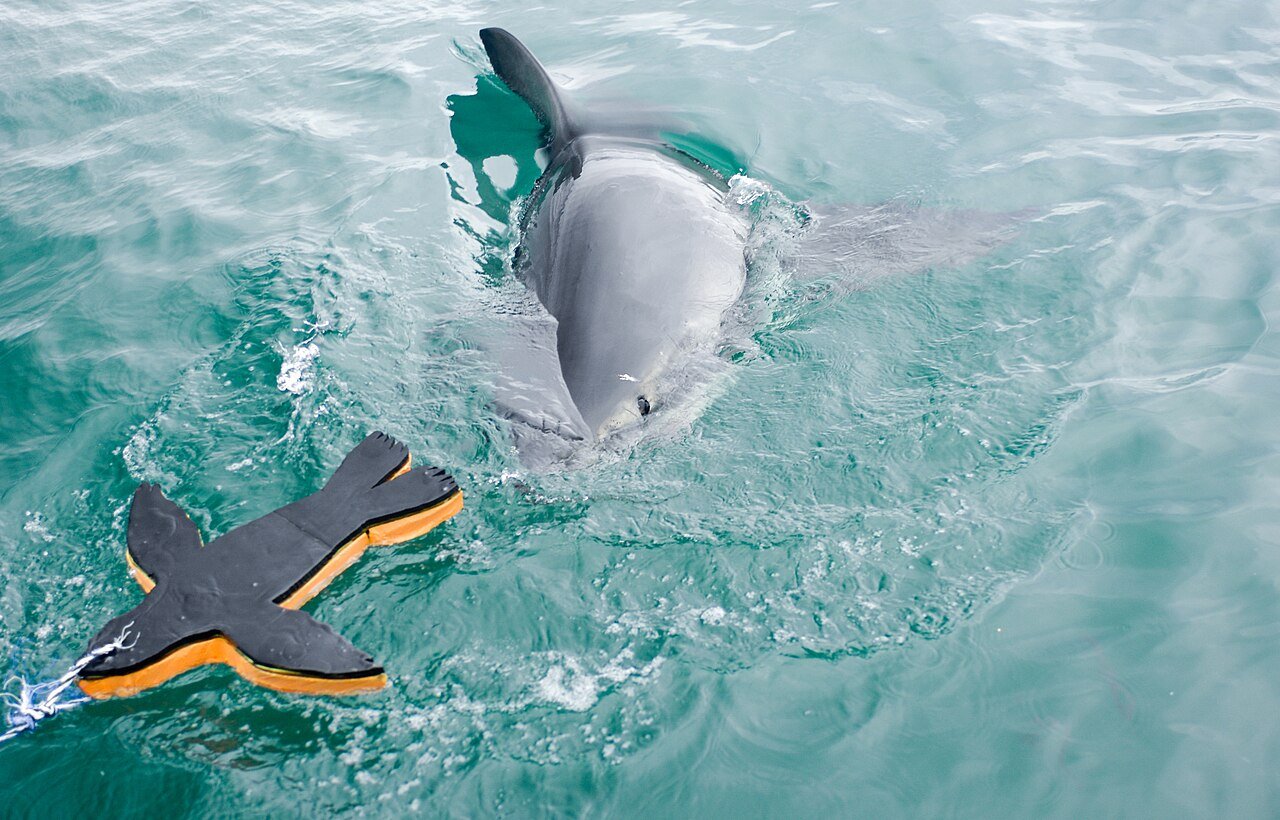
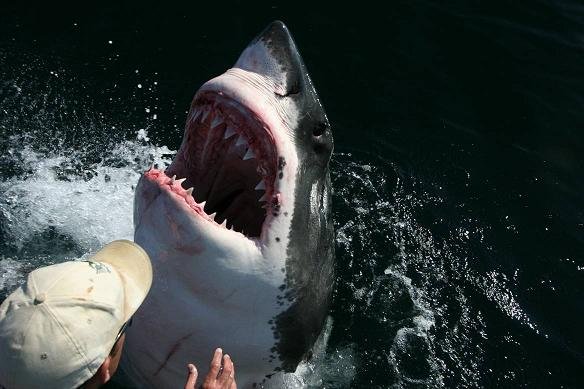
This article’s photographs are clearly labeled as archival, illustrative images. They are not frames from the reported Marina State Beach breach, and should not be interpreted as documentation of the incident.
Responsible wildlife photography
The best wildlife photographs come from patience and respect. Use appropriate lenses, follow park rules and avoid anything that changes an animal’s normal behavior. If you are traveling with children, explain why observing from a distance protects both people and marine life.
For outdoor travelers, such moments can inspire curiosity about habitats, migration patterns and conservation. The ocean is not a controlled exhibit; protecting it means allowing sharks and other predators to behave naturally.
How beaches respond to credible sightings
When lifeguards or park staff receive credible reports of a large shark, they may post advisories, temporarily restrict water activity, increase observation or communicate with wildlife specialists. The exact response depends on local protocols, the animal’s location and conditions at the time. Not every sighting results in a closure, and a beach being open does not mean ocean recreation is risk-free. Before swimming, read the signs at the entrance, look for flag systems and ask staff about current conditions. Visitors should follow local instructions even if a video circulating online appears to show a shark far offshore.
What attracts sharks to coastal areas?
Sharks move through coastal ecosystems as they search for food and follow environmental conditions. Fish populations, seasonal movements, water temperature and the presence of marine mammals may affect where different species spend time. Monterey Bay supports a diverse marine environment, so the presence of large predators is not surprising in a broad ecological sense. That does not mean swimmers can predict exactly when a shark will appear. Wildlife is mobile, and the beach location that was quiet yesterday can be different today. Safe recreation relies on current guidance rather than an assumption that a familiar destination never changes.
Should families cancel a beach trip after a viral video?
A viral sighting may justify checking official information before departing, but it is not necessarily a reason to abandon an entire coastal visit. Beaches offer walking, wildlife viewing, photography and other shoreline activities that do not require entering the water. Local park staff can explain any restrictions, while weather forecasts and surf reports help visitors evaluate additional hazards. For children, make a plan for where to meet, which boundaries are off-limits and when to return to shore. Currents, unexpectedly large waves and cold water can be serious dangers even on days without shark reports.
Are drones and binoculars useful for spotting sharks?
A pair of binoculars can help visitors appreciate distant wildlife without approaching it. Drone photography, however, is subject to airspace, park and wildlife rules and should never be used to harass an animal. Even a drone image can misjudge depth or distance, and identifying species from overhead video may be difficult without expert review. If you record a sighting, keep the original file, note the time and location accurately and provide it to responsible local authorities if requested. Sharing with a clear date is more helpful than adding dramatic claims that the footage does not establish.
A simple coastal safety plan
Pack drinking water, sun protection, a charged phone and appropriate layers for changing weather. Check tide and surf conditions before setting out, identify a staffed swimming area if available and avoid entering the water alone. Children and inexperienced swimmers should stay within close supervision. If an advisory is issued, follow it rather than looking for an unmonitored part of the beach. Finally, remember that the beach and surrounding waters are habitats for many creatures. Giving wildlife room is a basic part of enjoying the coast responsibly and preserving it for future visitors.
Sources and related reading
Source: The Guardian’s October 20, 2026 report about the breach. Safety guidance: NOAA beach dangers and shark precautions. For more outdoor advice, explore Outdoor Wild Living.


0 Comments