
Practical guide • Updated October 11, 2026
The best meal at camp is not always the most ambitious one. It is often the meal you can prepare comfortably with the equipment, time and conditions you actually have. A complicated menu can turn a relaxed evening into a search for a missing utensil while the cooler stands open and everyone waits to eat.
A simple camp kitchen setup starts before packing. Choose a manageable menu, identify how you will cook it and decide how you will handle food, water and cleanup. This guide helps you organize those decisions for ordinary campground trips. Current site rules, equipment instructions and official food-safety guidance should shape the plan rather than a photograph of somebody else’s elaborate outdoor kitchen.
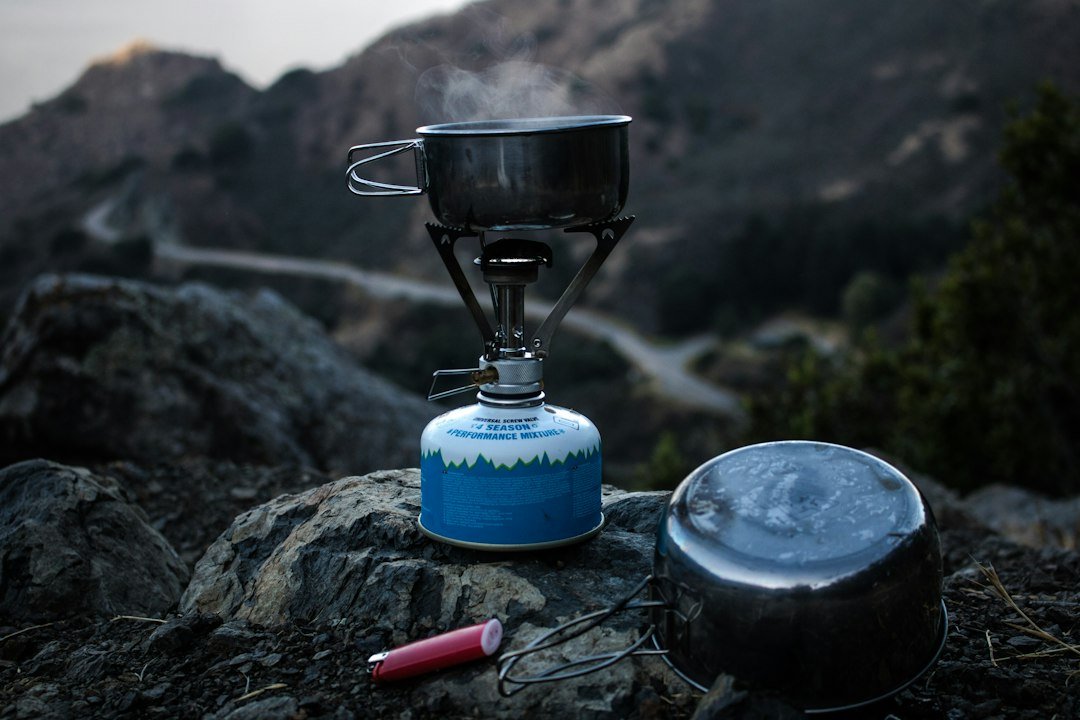
Build the menu around the trip
List meals in the order you expect to use them, including arrival night and departure morning. The first evening may need the easiest preparation because setting up camp takes time. The final breakfast should not require unpacking equipment you already cleaned and stored.
Consider the people eating. Ask about allergies, dietary requirements and preferences before shopping. Label relevant ingredients and retain packaging when it contains information someone needs. A menu that works for the cook but leaves another camper without a suitable meal is not a useful plan.
Choose fewer dishes with overlapping equipment needs. If one meal needs a large pan, another needs a special grill and a third needs a separate oven, ask whether the extra setup is worthwhile. A modest menu can still be enjoyable while leaving more time for the reason you went outdoors.
Match cooking to current campsite rules
Check the campground or land manager’s current restrictions. Fire rules can change, and a fire ring does not establish that a campfire is permitted that day. Plan meals around a cooking method allowed at the site and suitable for the conditions.
Read the instructions for your stove, fuel and cookware. Confirm compatibility and required clearances. Practice the ordinary setup before departure, using the equipment only in an appropriate location. Do not use a campsite as the first place you discover which fuel connection the stove requires.
Keep a meal option that does not depend on the primary cooking setup. The fallback should suit the group and its storage requirements. That gives you a practical choice if equipment fails, restrictions change or arrival takes longer than expected.
Put food safety in the plan early
USDA’s outdoor food-safety guidance explains the importance of cold storage, separating raw food and using a food thermometer. Keep perishable foods at safe temperatures; USDA identifies 40–140°F as the danger zone and limits time there to two hours, or one hour when conditions exceed 90°F.
Use the official guidance for handling and minimum cooking temperatures. Appearance is not a reliable substitute for a thermometer. Plan potable water and soap for handwashing, and do not let equipment used with raw meat contact ready-to-eat food without appropriate cleaning. If safe storage is uncertain, choose a suitable alternative rather than gambling on the food.
Turn these requirements into a shopping and packing checklist. A food-safety plan only works when the necessary supplies are present. The next sections focus on organizing your own workflow so you can follow that plan without constantly searching through bags.
Make a one-page equipment list
For each meal, write the equipment you actually need. Include the preparation tool, cooking vessel, serving utensil and cleanup item. This exercise exposes the missing can opener or the extra pan that only one dish requires.
Then combine the list. A spoon that works for two suitable tasks may reduce clutter, provided you maintain the necessary cleaning and separation. A single cutting board may not fit the workflow you chose. Review the sequence rather than automatically minimizing every item.
Avoid packing an entire household drawer. Choose equipment suited to your stove, meal and campsite. Keep instructions and small components together. A compact, deliberate kit is easier to inspect and reset than a large bin where useful items disappear beneath things nobody uses.
Give every container a clear purpose
Label food containers by meal or function. “Saturday breakfast” is easier to locate than a collection of unmarked bags. Keep any required preparation directions and ingredient information with the meal so another person can help without reconstructing your plan.
Use containers appropriate for the contents and storage conditions. Consider how they open, seal and fit within the available space. A fragile container that tips easily may create more trouble than the small amount of room it saves.
Create a separate place for nonfood kitchen equipment. Do not bury the stove instructions under loose snacks. Put small components in a labeled pouch or compartment. When you open the kitchen bin, you should be able to tell whether the essential equipment is present before the meal begins.
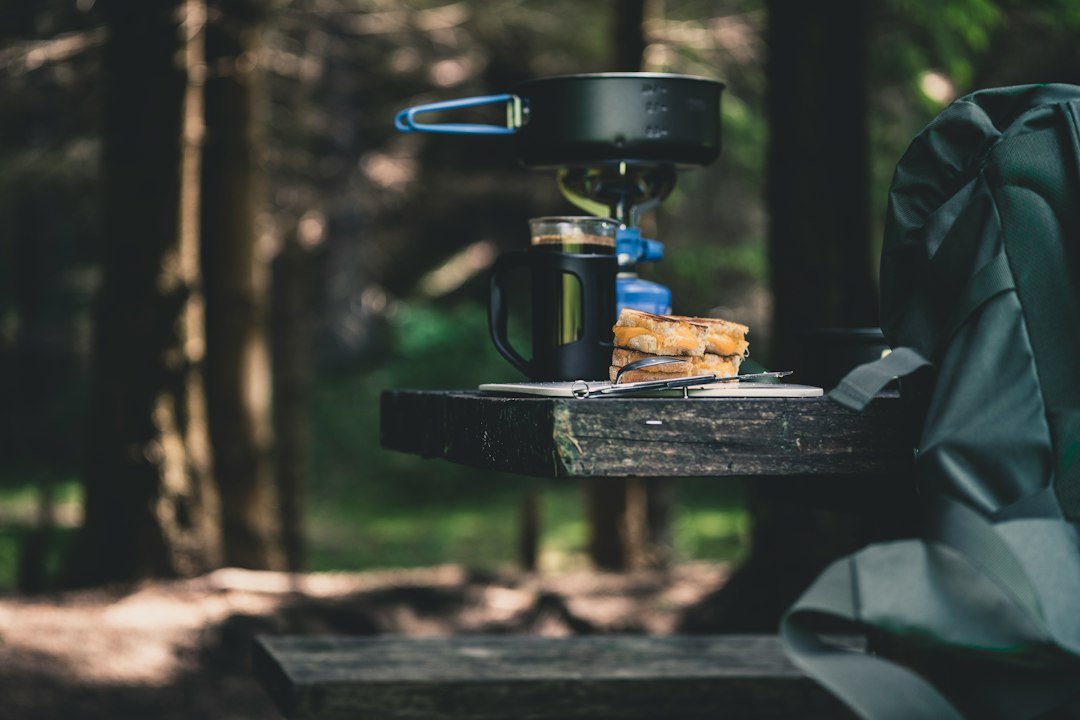
Lay out the kitchen for controlled movement
At camp, choose an appropriate location according to the stove instructions, site rules and conditions. Keep the cooking area away from casual traffic and make it clear where children and other campers should stand while equipment is operating.
The Consumer Product Safety Commission’s camping-equipment guidance warns about carbon monoxide from fuel-burning equipment in enclosed spaces. Do not move a portable camp stove inside a tent, vehicle or other enclosed area because of rain or wind. Follow the equipment’s outdoor-use and clearance requirements.
Arrange supplies so you do not need to reach across hot cookware. Set aside a stable landing place for items handled according to their instructions. A tidy layout should reduce awkward movement, not create a decorative display around an active burner.
Assign a useful job to each helper
Before cooking, decide who handles preparation, equipment operation, serving and cleanup. One experienced adult should manage equipment that others do not understand. Helpers can still contribute without crowding the active cooking area.
Give instructions that are specific. “Find the serving bowls in the blue bin” is better than “help with dinner.” Explain where clean equipment goes and where used items should be placed. A simple shared arrangement makes it easier to preserve the handling rules in your food-safety plan.
Keep the work sequence visible. If a meal has several steps, write a short order in the trip notes. This helps when the cook is interrupted or another person takes over. The goal is an ordinary, repeatable meal rather than a performance that depends on one person remembering everything.
Plan for the conditions you actually encounter
Wind, rain and fading light can affect the setup. Choose equipment and a location that meet the manufacturer’s requirements under those conditions. If you cannot establish a safe operating arrangement, use the fallback meal and reassess later.
Do not improvise shields, attachments or shelter arrangements that the stove instructions prohibit. A clever-looking modification can interfere with the way equipment is designed to operate. Bring appropriate approved accessories when the plan requires them, and understand their limits before departure.
Prepare useful lighting that can be placed securely outside the heat area. Keep the meal simple enough to finish without rushing because darkness arrived. An easy dinner completed comfortably is a better campsite experience than an ambitious dish attempted under unsuitable conditions.
Make cleanup part of the menu
Think about cleanup when choosing meals. A dish that uses several vessels, oily preparation surfaces and many small utensils requires a more involved process than a simpler option. That may be worthwhile, but it belongs in the time and water plan.
Follow campground instructions for wastewater, trash and food storage. Do not assume a nearby stream is an acceptable washing or disposal area. Find the designated facilities and understand any wildlife-related requirements before cooking.
Pack suitable bags and containers for the waste your menu creates. Retain small packaging pieces rather than letting them scatter around the site. Keep equipment organized during cleanup so clean items do not return to a container that still holds dirty supplies.
Create an evening reset routine
Once the meal is complete, close the kitchen according to the equipment instructions and site rules. Confirm that food is stored appropriately, waste is secured and small components are back where they belong. Leave the morning essentials easy to reach.
Check what remains for the next day. A quick look at supplies can reveal that an ingredient was used earlier than planned or a container leaked. Adjust the menu while you still have alternatives rather than finding out at breakfast.
Write down a missing item or awkward step. Do not trust yourself to remember it weeks later when packing again. A short note such as “serving spoon too short for pot” or “departure breakfast required too much unpacking” gives the next trip a practical improvement.
Keep a simple repeatable menu
After the trip, retain one or two combinations that worked well. Record the actual equipment, preparation sequence and cleanup needs. Include what the group enjoyed and what you would change. You can adapt that starting point for a different destination without rebuilding the entire kitchen plan.
Review supplies before storing them. Clean and dry equipment as directed, inspect damaged parts and replace used consumables. Store fuel and other materials according to their specific requirements. The next trip should begin with a functioning kit rather than a sealed bin containing last weekend’s problems.
A simple camp kitchen setup gives you reliable meals without letting cooking dominate the trip. Choose the menu deliberately, follow food-safety and equipment guidance, organize the workflow and reset the space. Explore more practical camping ideas at Outdoor Wild Living and build a kit around the meals you actually want to prepare.



0 Comments