
Affiliate disclosure: As an Amazon Associate I earn from qualifying purchases. This article contains affiliate links.
Practical guide • Updated October 11, 2026
A dog can make a familiar walk feel like an adventure. A hiking route, however, adds questions that a neighborhood loop may never raise: whether pets are allowed, how rough the surface is, where water will come from and how you would return if the day stops going well.
Hiking with dogs in Pennsylvania works best when the dog’s needs shape the route from the beginning. This guide helps you choose a manageable outing, confirm the rules and organize the equipment and decisions that make the day easier. It is a planning guide, not veterinary advice or a promise that a particular dog can handle a particular distance. Ask your veterinarian about individual health, conditioning and protection needs.
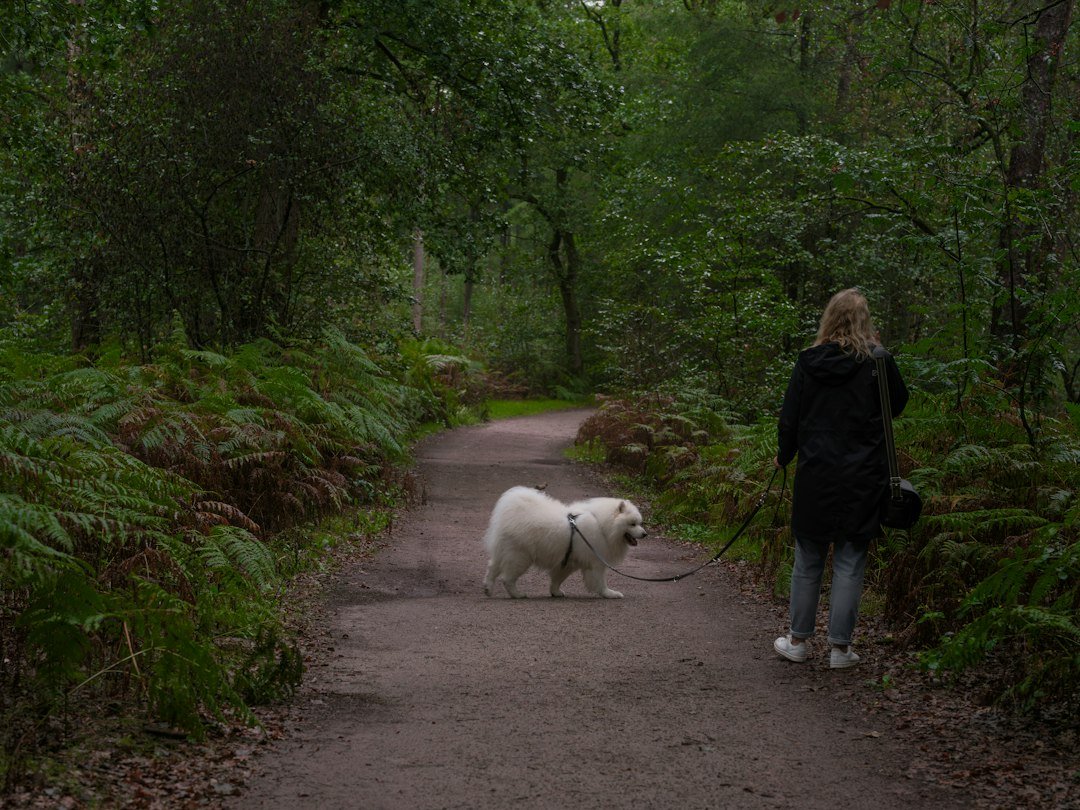
Confirm that the specific route allows dogs
Check the current page for the park, forest or other land manager. Read the rules for the actual trail and facilities, not just the general destination. A place may permit pets in some areas and restrict them in others. Do not rely solely on a photograph of a dog posted by another visitor.
Verify leash, control, waste and access requirements before leaving. Rules can differ among Pennsylvania state parks, state forests, federal land and private preserves. DCNR’s Pets in Parks guidance explains state-park pet access and physical-control requirements; DCNR is also the official starting point for its managed destinations; contact the park or forest office when the relevant information is unclear.
Write the restriction into your route notes. If a lookout or building excludes pets, decide whether you will skip that part rather than improvising at the entrance. Do not assume someone can leave the dog unattended while the rest of the group visits a restricted area.
Choose the route for the dog you have
Consider age, fitness, behavior and previous experience with similar terrain. An energetic dog in the backyard may react differently to a long rocky trail. A calm neighborhood walker may find a crowded trailhead or an unfamiliar bridge stressful.
Start with an outing that leaves room to learn. A shorter route with straightforward return options can reveal how the dog handles the surface, equipment and other visitors. Avoid making the first test a demanding remote loop simply because a map gives it an appealing description.
Assess the whole route, including elevation changes, footing and the return journey. The uphill portion may receive most of your attention while the descent presents another challenge. Ask the land manager about features that are difficult to judge from a map, and select a simpler alternative when uncertainty is substantial.
Check conditions close to departure
Review the weather and current trail notices. Heat, storms, ice, closures and hunting-related activity can affect the suitability of a route. Conditions that feel manageable for you may not be manageable for the dog. Obtain veterinary guidance for individual limits rather than using a generic temperature rule.
Check the route again when you arrive. A parking area may be crowded, a trail may be muddy or a posted restriction may differ from an old description. The plan should allow you to change destinations or take a shorter walk without treating that adjustment as a ruined day.
Keep an alternative that you have also checked. A backup location is only useful if its rules, route and access suit the group. Do not respond to one closure by driving to a random trail and assuming dogs are welcome there.
Test the walking equipment at home
Use suitable equipment that fits the dog and meets the destination’s requirements. Check the condition of the leash, attachments and identification. Follow the manufacturer’s fitting instructions and ask an appropriate professional when you are unsure about the setup.
Practice with the arrangement on familiar ground. Notice whether you can maintain control without awkward movements and whether the dog moves comfortably. A new harness or other accessory should not debut halfway up an unfamiliar trail where you have few alternatives.
Pack a sensible spare for a relevant failure, such as a damaged leash, when practical. Keep it accessible. Inspect clips and seams before each trip instead of assuming that equipment stored since last season is still ready to use.
Plan water and breaks for both companions
Carry suitable drinking water and a container the dog knows how to use. Do not assume every creek is a safe drinking source. Plan the outing around a dependable supply and follow appropriate water guidance. A route that depends on an uncertain refill deserves reconsideration before departure.
Ask your veterinarian about individual hydration and feeding needs for activity. Avoid presenting one fixed amount as sufficient for every dog. Watch the dog’s behavior during the outing and be ready to stop or shorten the route when something changes.
Choose break locations that let the dog rest without blocking the trail. A pause is also an opportunity to check equipment and reassess the remaining route. Build breaks into the schedule rather than treating them as an interruption to a pace you decided without considering the dog.
Practice respectful passing
Keep the dog under the required control and give other visitors space. Not everyone wants a greeting, and another dog may not be comfortable with an approach. Ask before allowing interaction and accept a refusal without turning the encounter into a discussion.
When the trail is narrow, look for an appropriate durable place to pause. Follow land-manager rules and avoid damaging vegetation to create room. Communicate clearly with approaching hikers or other permitted trail users so everyone understands how you will pass.
Do not let the leash become a trip line across the route. Keep the arrangement manageable around corners and busy areas. If the dog is consistently overwhelmed or difficult to control, choose a quieter, easier outing and seek appropriate training support before attempting a crowded trail again.
Keep wildlife at a distance
Do not allow the dog to chase, approach or harass wildlife. Maintaining control protects animals, other visitors and your companion. An interesting smell beside the trail is not a reason to let the dog disappear into brush or onto unfamiliar ground.
Learn about the relevant destination’s wildlife guidance before the trip. Follow posted instructions and ask the land manager about seasonal concerns. Avoid claiming that a leash makes every wildlife encounter harmless; it is part of responsible control, not a guarantee.
If wildlife appears, give it space and follow official guidance for that situation. Do not move closer for a photograph with the dog. The best memory of the encounter may be a distant observation and a calm departure rather than an image taken at unnecessary risk.
Carry out pet waste reliably
Pack enough appropriate waste bags and know where disposal is permitted. Keep used bags with you until you reach a suitable receptacle. Leaving a bag beside the trail to collect later can result in litter when the route or your plans change.
Create a practical carrying arrangement before departure. Use a suitable designated container or pouch if that helps keep waste separate from other supplies. The arrangement should make responsible handling easy rather than depend on finding an available bin around the next bend.
Check that waste supplies are still accessible after packing other equipment. Small items often disappear into a bag during a rushed departure. A brief checklist at the trailhead is more effective than discovering halfway through the walk that the bag roll stayed in the car.
Establish a turnaround plan
Decide what would make you return early: changed weather, damaged equipment, unsuitable terrain or concerns about the dog’s condition. Share the plan with companions. A person who only knows the destination may otherwise expect everyone to keep going until the viewpoint is reached.
Consider how you would get back if the dog could not continue normally. The answer depends on size, terrain, distance and available help. If you cannot create a realistic response, choose a route closer to easy access rather than relying on optimism.
Tell a trusted person your route and expected return as appropriate for the outing. Keep navigation and communication plans suitable for the area. Mobile service should not be assumed everywhere, and a phone is not a replacement for choosing a route within the group’s capabilities.
Make the first outing an observation day
Take a short, manageable route and pay attention to what you learn. Did the dog hesitate at a surface? Was the equipment awkward? Were breaks easy to arrange? Record the answers without turning one good day into proof that every longer hike will go equally well.
After returning, inspect equipment and follow veterinary guidance for checking the dog after outdoor activity. Seek appropriate help for signs of injury or illness. This guide does not offer diagnosis or treatment instructions; those decisions belong with a veterinary professional.
Adjust the next outing based on the evidence. You may choose a different trail surface, a quieter time or a simpler route. Gradual learning helps you develop a routine that respects the dog rather than expecting the dog to fit a schedule built for somebody else.
Keep a reusable dog-hiking checklist
Save the destination rules, route, water plan, equipment list and turnaround decisions in one note. Add waste supplies, identification and the relevant contact information. Review it for each trip rather than assuming last month’s outing establishes today’s conditions.
Hiking with dogs in Pennsylvania can be rewarding when the day is planned around a real companion with individual needs. Confirm access, choose a manageable route, maintain control and leave room to turn back. Explore more practical outdoor preparation at Outdoor Wild Living and use current land-manager and veterinary guidance to shape the details.

0 Comments